Health systems and healthcare facilities face mounting pressure to prevent infections while managing complex sterilization workflows. Sterile storage mistakes directly threaten patient safety by creating pathways for bacterial contamination before surgical instruments reach the operating room.
Healthcare-associated infections affect approximately 1 in 31 hospital patients on any given day, representing a significant and preventable source of patient harm. Surgical site infections alone increase hospitalization costs by $20,000 or more per patient, contributing to annual national expenses between $3.3 and $10 billion.
Key Takeaways
Sterile storage encompasses the controlled environment where sterilized surgical instruments and medical devices remain uncontaminated until clinical use. Proper storage prevents microbial growth and physical damage that would otherwise expose patients to life-threatening infections during procedures.
Surgical site infections affect between 1% and 20% of post-surgical patients, depending on procedure complexity and facility protocols. These preventable complications extend hospital stays, require additional interventions, and significantly impact patient outcomes beyond the initial surgical recovery period.
AAMI ST79 standards establish minimum requirements for sterile storage compliance, including environmental controls and physical infrastructure. Facilities must implement temperature and humidity-controlled cabinets, maintaining conditions between 68°F-73°F and 30%-60% relative humidity.
Specialized shelving systems with antimicrobial properties prevent bacterial colonization on storage surfaces. HEPA filtration systems combined with positive-pressure airflow systems create protective barriers against airborne contaminants entering sterile storage areas.
Temperature must remain between 68°F and 73°F while relative humidity stays between 30% and 60% to preserve packaging integrity. Facilities require minimum air changes of 4 per hour with positive-pressure airflow directing clean air outward from sterile zones.
Temperature and humidity fluctuations degrade packaging materials, including paper-plastic pouches and sterilization wraps. Environmental instability creates microscopic breaches in sterile barriers, allowing bacterial penetration that compromises instrument sterility before surgical use.
Insufficient staff training remains the leading cause of medical errors and processing failures affecting sterile instrument handling and storage protocols. Time-intensive training programs require ongoing investment because healthcare facilities experience constant staff turnover, affecting the ability of healthcare professionals to maintain departmental expertise levels.
On-site facility audits identify knowledge gaps while certification preparation programs ensure personnel meet industry competency standards. Structured education addressing compliance errors reduces preventable mistakes that put patient safety at risk during surgical procedures.
Regulatory frameworks establish enforceable guidelines that define minimum safety thresholds for sterile storage operations. Compliance helps health care organizations build a culture of safety while reducing the risk of operational shutdowns and ensuring consistent patient safety across all procedural environments.
Healthcare administrators rate compliance importance at 95% priority when implementing sterile storage systems. Safety effectiveness follows closely at 92% priority, reflecting the direct connection between regulatory adherence and infection prevention outcomes.
AAMI ST79 mandates storing items at least 8 inches off the ground to prevent floor contamination transfer. Storage must maintain 18 inches of clearance below sprinkler heads and a 2-inch distance from outside walls to prevent moisture infiltration.
Facilities must follow specific cleaning protocols for sterilization containers, including validated detergents and mechanical washing processes. Overcrowding and clutter violate AAMI clearances by restricting airflow and creating physical contact between sterile packages.
Non-compliance can lead to operational shutdowns and severe penalties, including Medicare reimbursement suspensions. Joint Commission standards require documented policies demonstrating adherence to manufacturer instructions and professional organization guidelines.
Audit-ready reporting features enable facilities to demonstrate continuous compliance during unannounced surveys. Protocol development services help facilities translate complex regulations into practical workflows that staff can consistently execute.
Large hospitals achieve 87% compliance rates through dedicated resources and comprehensive infrastructure investments. Medium hospitals reach 62% compliance, while small clinics and ambulatory surgery centers struggle at 38% compliance rates.
Budget constraints in small clinics and ASCs prevent implementation of premium environmental control systems. Healthcare organizations with limited resources and training gaps face compliance challenges that affect patient safety and healthcare quality across underserved healthcare settings.
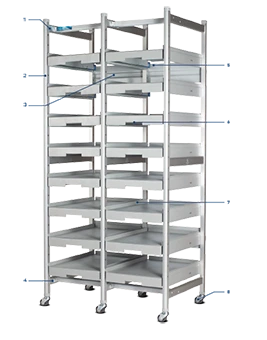
Storage equipment represents 29% market share within sterile processing solutions through cabinets, shelving, and environmental control systems. Quality equipment creates physical barriers preventing contamination while maintaining optimal conditions for long-term sterile package preservation.
Premium storage systems feature 15+ year lifespans compared to standard systems requiring replacement every 3-5 years. Investment in durable equipment reduces total ownership costs while improving contamination prevention through superior material engineering.
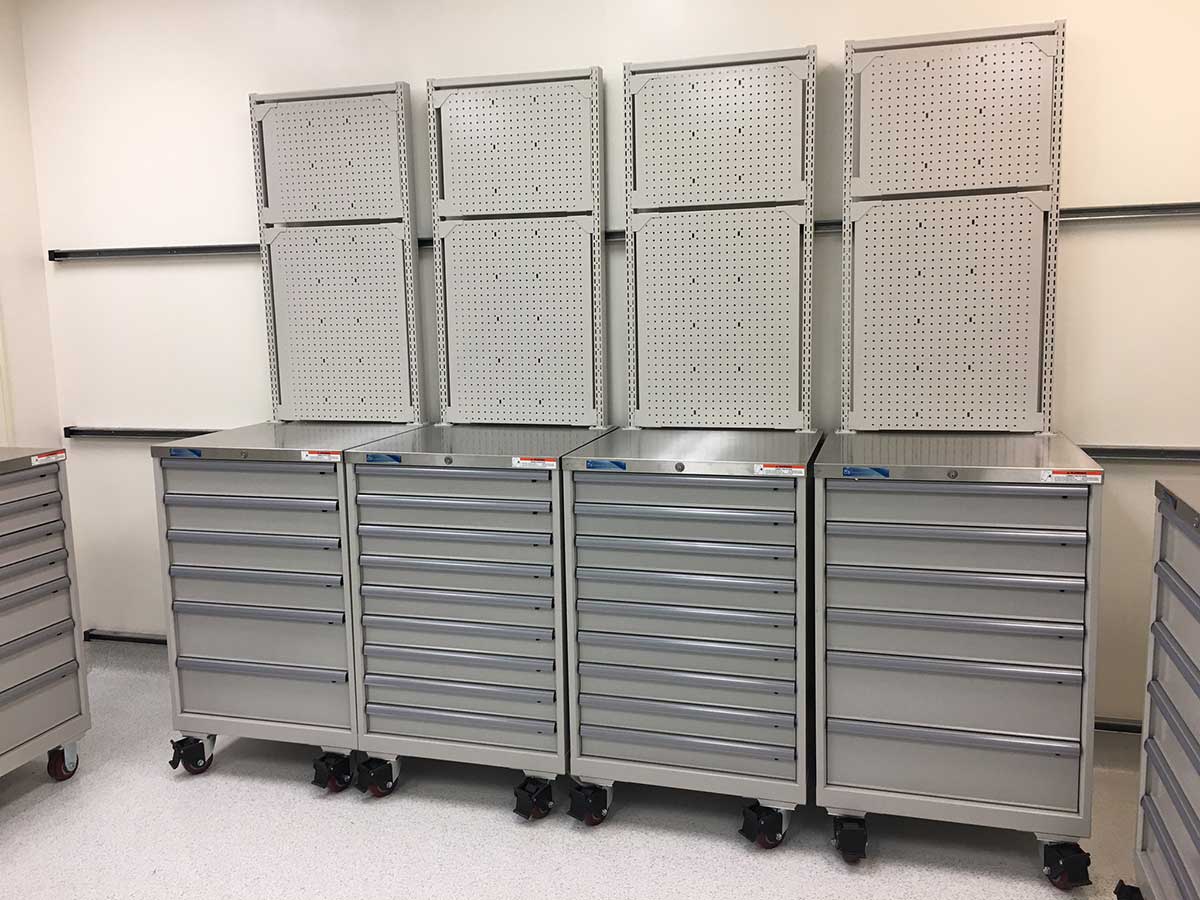
Specialized cabinets maintain precise environmental conditions, protecting sterile packages from moisture and temperature fluctuations. Budget storage cabinets cost USD 1,500-5,000 while premium systems range from USD 15,000-100,000+, depending on capacity and automation features.
High initial capital investment for premium storage systems provides superior contamination prevention through integrated HEPA filtration. Space requirements for compliant storage equipment challenge facilities operating within limited square footage, particularly older buildings lacking modern infrastructure.
Rigid sterilization containers serve multiple functions, including packaging, sterilizing, transporting, and storing surgical instruments throughout their lifecycle. Anodized aluminum and stainless steel construction materials provide durability while modular basket configurations organize instruments by procedure type.
Tamper-evident locks on sterilization containers prevent unauthorized access and provide visual confirmation of seal integrity. Containers eliminate disposable blue wrap costs while offering superior physical protection against drops, impacts, and environmental contaminants.
Cloud-based compliance software enables real-time tracking across multiple facilities through centralized dashboards. API integrations with hospital systems synchronize sterilization data with surgical scheduling and inventory management platforms.
Real-time data logging systems capture temperature, humidity, and cycle parameters, providing audit trails for regulatory inspections. Basic compliance software costs USD 500-2,000 monthly, while premium AI-powered systems cost USD 5,000-15,000+ monthly for predictive analytics capabilities.
Sterile storage mistakes create direct pathways for bacterial contamination, affecting surgical patient outcomes. Identifying and correcting these errors prevents healthcare-associated infections while protecting facilities from compliance violations and operational disruptions.
Research demonstrates that 26.16% of surgical cases experience at least one instrument error during processing. These preventable failures compromise patient safety through contaminated instruments reaching operating rooms despite sterilization protocols.
Inadequate training causes personnel to mishandle sterile packages, violate environmental protocols, and misinterpret sterilization indicators. Staff unfamiliar with AAMI ST79 requirements unknowingly create best practices violations that accumulate into systemic compliance failures.
Knowledge gaps in sterile processing fundamentals prevent staff from recognizing contamination risks during daily operations. Professional training programs address competency deficits through hands-on instruction and certification preparation, ensuring personnel understand critical safety principles.
Equipment degradation creates an 85% contamination risk when scratched wire shelving harbors bacteria and biofilm in crevices. Standard wire shelving lasts 3-5 years and costs $850 annually to maintain, versus polymer shelving lasting 15+ years and costing $150 annually.
Scratch-resistant polymer shelving systems demonstrate 86% improvement in contamination reduction compared to traditional wire alternatives. Surface damage compromises cleaning efficacy because standard disinfectants cannot penetrate microscopic crevices where pathogens colonize and multiply.
Overcrowded storage areas force packages into contact, violating minimum clearance requirements between items. Dense stacking prevents adequate airflow circulation necessary for maintaining consistent environmental conditions throughout storage zones.
Clutter restricts staff movement, increasing accidental package contact and physical damage during instrument retrieval. Organized storage solutions prevent overcrowding through optimized shelving configurations that maximize capacity while maintaining required clearances.
Environmental deviations and improper handling create sterile barrier breaches invisible to visual inspection. Temperature and humidity excursions compromise packaging materials while rough handling tears wrappers, exposing contents to airborne contaminants.
Facilities must implement continuous monitoring systems detecting environmental fluctuations before they affect stored instruments. Automated alert systems notify staff when conditions exceed acceptable parameters, enabling immediate corrective action.
Temperature fluctuations outside 68°F-73°F cause packaging materials to expand and contract, creating microscopic perforations. Humidity below 30% makes packaging brittle and prone to cracking, while levels above 60% promote microbial growth.
Uncontrolled environments accelerate packaging degradation, reducing the shelf life of sterile packages below manufacturer specifications. Facilities without environmental monitoring systems experience higher recontamination rates, affecting patient safety and increasing operational costs through premature instrument reprocessing.
Poor transportation practices contaminate sterile items during transit from processing areas to operating rooms. Uncovered carts expose packages to airborne contaminants in corridors while rough handling tears protective wrapping.
Dedicated transport systems protect sterile packages from environmental exposure and physical damage during movement. Covered containers with secure closures maintain package integrity while smooth handling protocols prevent wrapper tears that compromise sterility.
Visual inspection identifies compromised sterile barriers, including tears, punctures, moisture contamination, and seal failures. Package integrity assessment prevents contaminated instruments from reaching surgical fields where they would expose patients to infection risks.
Staff must inspect packages for visible damage, proper sealing, and valid sterilization indicators before releasing instruments for clinical use. Facilities implementing systematic inspection protocols reduce surgical site infection rates by identifying and removing compromised packages before they affect patient outcomes.
Documentation systems create accountability while enabling rapid response during contamination events or product recalls. Comprehensive tracking links specific instruments to individual patients, supporting infection investigation and litigation defense when adverse events occur.
Electronic systems reduce human error in record-keeping while providing instant access to sterilization histories during regulatory audits. Automated documentation replaces manual logbooks, preventing incomplete records that create compliance vulnerabilities during Joint Commission surveys.
Lack of documentation makes recall procedures impossible when manufacturers identify defective devices or sterilization failures. Facilities cannot locate affected instruments without traceability systems linking devices to specific sterilization cycles and patient procedures.
Proper documentation enables facilities to track instruments through the entire reprocessing cycle, supporting recall procedures. Comprehensive tracking systems record sterilization parameters, operator identification, and cycle outcomes, creating audit trails required for compliance verification.
Biological and chemical indicator tracking documents sterilization efficacy through objective evidence acceptable to regulatory agencies. Monitoring systems hold 18% market share within sterile processing solutions, demonstrating widespread industry adoption.
Digital platforms centralize indicator results, equipment maintenance records, and environmental monitoring data in a single database. Consolidated reporting simplifies compliance verification during audits by providing instant access to required documentation spanning multiple years.
Standardized documentation forms ensure consistent data capture across all shifts and personnel, reducing variability in record quality. Digital systems with required fields prevent incomplete entries that create compliance gaps during regulatory inspections.
Regular documentation audits identify recording errors before they accumulate into systemic compliance failures affecting accreditation status. Facilities achieving high compliance rates implement quarterly record reviews verifying the accuracy and completeness of sterilization documentation.
Proactive investment in quality infrastructure prevents costly contamination events and regulatory penalties. Facilities implementing comprehensive improvement strategies achieve measurable reductions in infection rates while improving operational efficiency.
Strategic planning addresses multiple failure points simultaneously through coordinated equipment upgrades, staff development, and workflow optimization. Integrated approaches deliver superior outcomes compared to isolated interventions targeting single compliance gaps.
Premium storage equipment delivers $6,000 savings per unit over 10 years through reduced maintenance and replacement costs. Polymer shelving demonstrates 41% reduction in total ownership costs over 10 years compared to standard wire alternatives.
Durable materials withstand repeated cleaning cycles without surface degradation that creates bacterial colonization sites. Extended equipment lifespans reduce capital expenditure frequency while eliminating frequent workflow disruptions from equipment replacement projects.
Professional training programs address knowledge gaps preventing processing errors that compromise patient safety. Training and consulting holds 15% market share within sterile processing solutions, reflecting strong demand for competency development services.
Expert consultants identify facility-specific challenges and develop customized protocols addressing unique operational constraints. Ongoing education programs maintain staff proficiency despite turnover while ensuring new personnel receive consistent instruction in critical safety principles.
Streamlined processes reduce handling steps that create contamination opportunities during instrument movement and storage. Operational efficiency improvements rated at 68% demonstrate moderate satisfaction with current workflow designs, indicating optimization opportunities.
Comprehensive workflow solutions reorganize storage layouts, reducing travel distances and minimizing package handling frequency. Ease of use rated at 78% reflects the successful implementation of intuitive storage systems that simplify compliance while accelerating instrument retrieval during urgent procedures.
Preventing sterile storage mistakes requires coordinated attention to equipment quality, staff competency, and systematic documentation practices. Health care systems and facilities implementing comprehensive improvement strategies measurably reduce infection rates while achieving consistent regulatory compliance across all operational areas.
Investment in proven solutions delivers quantifiable returns through reduced infection costs, avoided penalties, and improved healthcare quality outcomes. Distribution Systems International (DSI) specializes in turnkey implementations that address multiple compliance challenges simultaneously through integrated storage systems and expert consultation.
Healthcare facilities ready to eliminate sterile storage mistakes and protect patient safety should request a complimentary on-site workflow assessment to identify specific opportunities for measurable improvement. Our specialized expertise in acute care environments ensures solutions address your unique operational challenges while delivering documented ROI through reduced total ownership costs and enhanced compliance performance.
Distribution Systems International has supported acute care facilities since 1990 with LEAN-based storage systems designed to eliminate infection risk, reduce medical errors, and protect healthcare quality across every department.
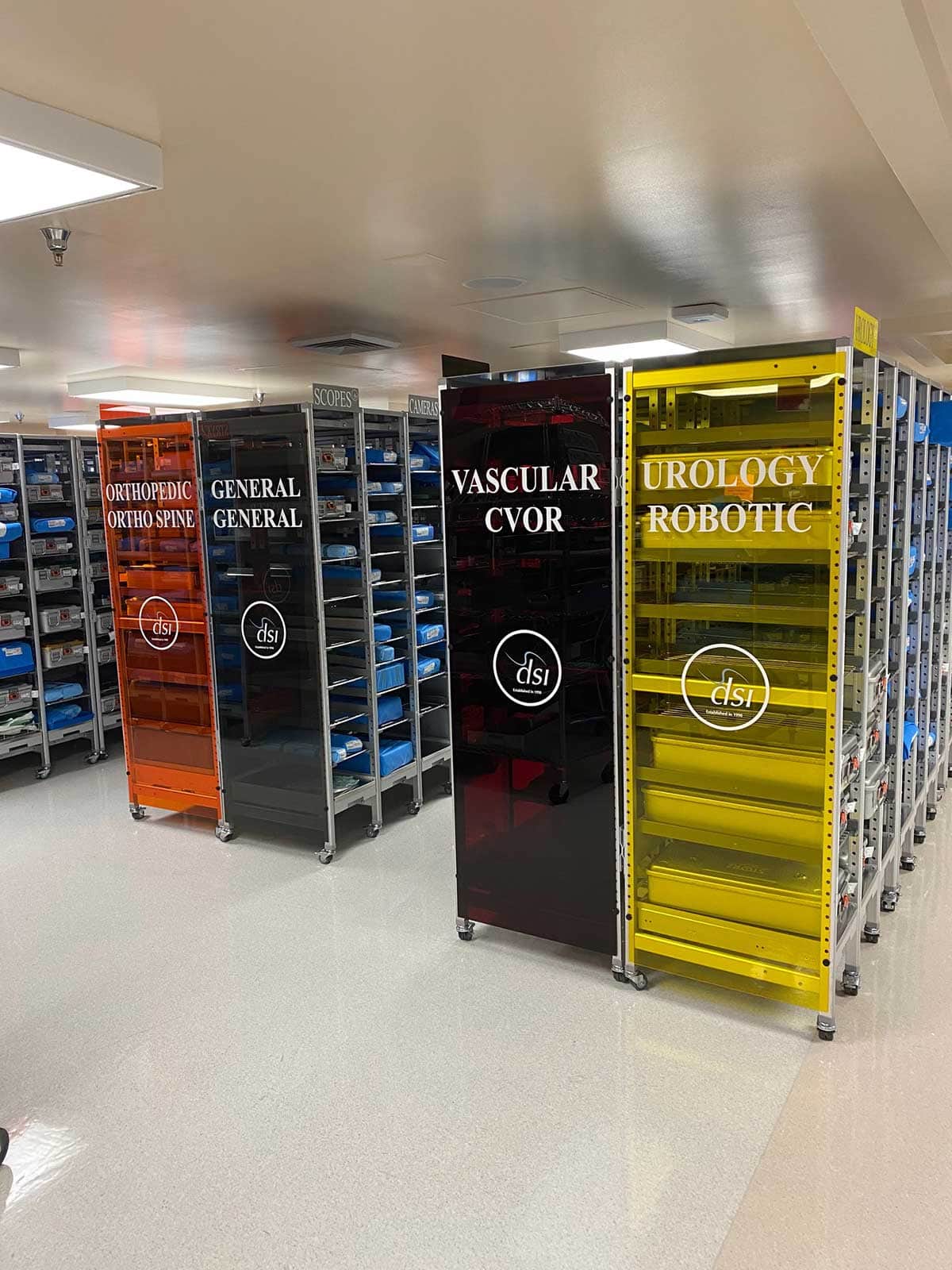
From SPD shelving and case carts to OR cabinets and high-density supply systems, DSI delivers turnkey implementations built for health systems that demand consistent compliance and measurable outcomes. Healthcare professionals across materials management, sterile processing, and surgical services rely on DSI’s consultative approach to build a sustainable culture of safety.
Contact Distribution Systems International today to schedule your complimentary on-site workflow assessment and discover how the right storage infrastructure reduces patient harm and drives long-term value for your organization.

With 21 years of sales management, marketing, P&L responsibility, business development, national account, and channel management responsibilities under his belt, Ian has established himself as a high achiever across multiple business functions. Ian was part of a small team who started a new business unit for Stanley Black & Decker in Asia from Y10’ to Y14’. He lived in Shanghai, China for two years, then continued to commercialize and scale the business throughout the Asia Pacific and Middle East regions for another two years (4 years of International experience). Ian played college football at the University of Colorado from 96’ to 00’. His core skills sets include; drive, strong work ethic, team player, a builder mentality with high energy, motivator with the passion, purpose, and a track record to prove it.