Emergency departments operate in high-pressure environments where equipment accessibility directly impacts patient outcomes and staff efficiency. Selecting appropriate emergency department carts requires understanding current market innovations, manufacturer capabilities, and operational requirements specific to acute care settings. The medical cart industry has experienced significant technological advancement by 2026, with manufacturers integrating electronic health record systems, ergonomic designs, and standardized configurations that address workforce aging and workflow optimization needs.
Medical cart selection in 2026 focuses on durability, total cost of ownership, and compatibility with hospital-wide standardization initiatives. Procurement teams evaluate emergency crash carts, medication dispensing units, and medical carts based on feature sets that support regulatory compliance and clinical workflow efficiency. This analysis examines category-specific features, pricing structures, leading manufacturers, and evidence-based standardization frameworks that guide emergency department equipment decisions in the current market landscape.
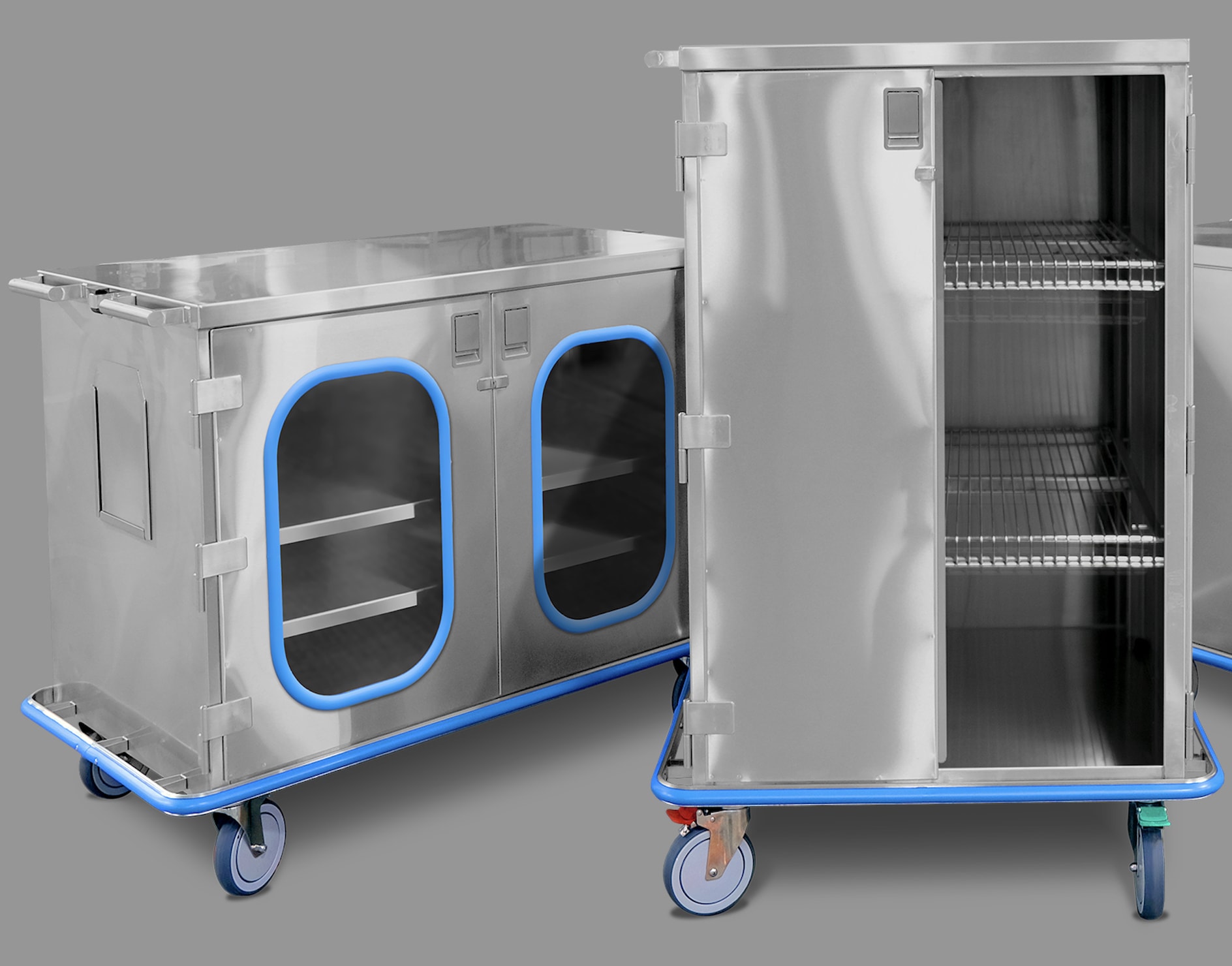
Medical carts are mobile storage units designed to organize medical supplies and equipment required for immediate patient care activities. Emergency crash carts contain resuscitation medications and defibrillators for code situations, while medication carts facilitate secure drug storage and electronic dispensing workflows. Procedure carts organize instruments for specific clinical interventions, and anesthesia carts store controlled substances and monitoring equipment used during sedation protocols.
Mobile workstations integrate computer systems with workstations that enable real-time documentation at the point of care. Utility carts, also called supply carts, provide general-purpose storage for supplies that support routine emergency department operations. Each cart category addresses distinct clinical needs while contributing to standardized equipment placement that reduces search time and improves response efficiency during critical events.
Locking mechanisms secure controlled substances and ensure regulatory compliance with medication storage requirements across all emergency department cart types. Adjustable shelving accommodates varied supply dimensions while antimicrobial surfaces reduce pathogen transmission in high-touch clinical environments. Smooth-rolling casters enable rapid transport through crowded emergency bays, and integrated power systems support electronic documentation devices without requiring proximity to wall outlets.
Color-coded drawer systems facilitate quick visual identification of supplies during resuscitation events when seconds matter. Ergonomic handle heights reduce physical strain on nursing staff and other healthcare workers with an average age of 43.4 years who transport carts frequently during shifts.
Emergency crash carts represent specialized healthcare equipment designed for immediate life-saving interventions and hold 40.53% market share within the emergency cart segment. The Pochar medical crash cart includes standardized drawer configurations that match Advanced Cardiac Life Support protocols. Medication carts feature electronic locking systems that integrate with automated dispensing cabinets to track narcotic access and maintain chain-of-custody documentation required by regulatory agencies.
Utility carts provide flexible storage for general supplies that support emergency department workflows. Procedure carts organize sterile instruments and supplies for specific interventions such as lumbar punctures or chest tube insertions. Anesthesia carts contain monitoring equipment and controlled substances used during procedural sedation in emergency settings where rapid sequence intubation may be necessary.
Manufacturers have introduced lightweight composite materials that reduce cart weight while maintaining the structural integrity required for heavy equipment transport. Modular drawer systems allow facilities to reconfigure internal storage layouts without purchasing entirely new units as clinical protocols change. Antimicrobial powder-coat finishes now meet updated infection control standards that address emerging pathogen resistance patterns identified in healthcare environments.
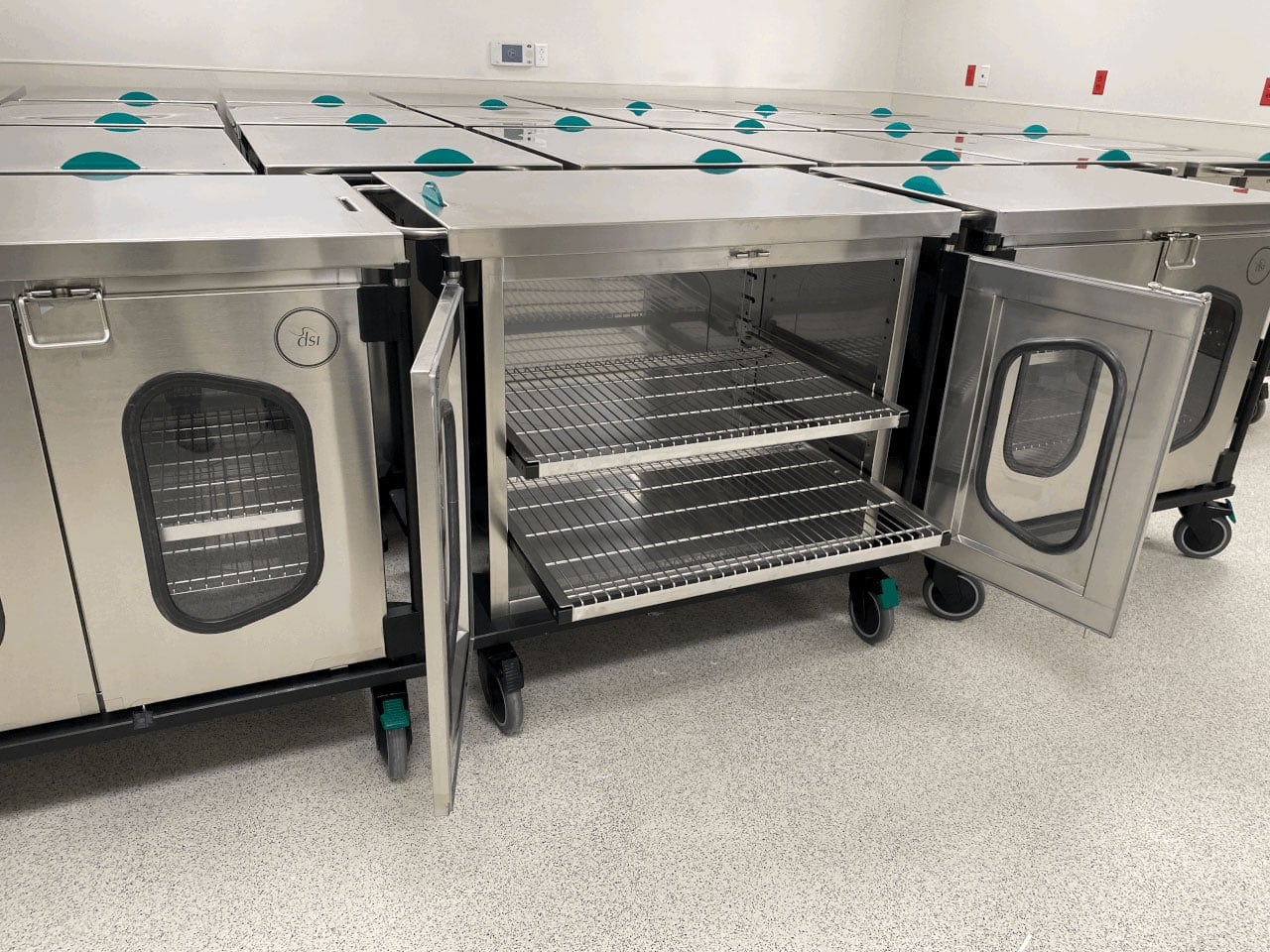
Collision-avoidance bumpers protect wall surfaces and reduce maintenance costs associated with facility damage during transport. Enhanced visibility through transparent drawer fronts enables staff to identify supply levels without opening multiple compartments during restocking activities.
Technology integration holds a priority score of 65 out of 100 among emergency department decision-makers evaluating the 2026 best carts. Built-in tablets and barcode scanners enable medication verification at the point of administration, reducing errors through closed-loop systems that match patient identification with physician orders. Wireless charging pads eliminate cable management issues while maintaining continuous power for mobile devices used during extended shifts.
Radio-frequency identification tracking systems monitor cart locations throughout facilities in real-time. Cloud-connected inventory sensors alert materials management when supply levels fall below predetermined thresholds, capturing supply usage data that automates reorder processes that previously required manual inspection rounds.
Mobility and ergonomics earn a priority score of 68 out of 100 among hospital buyers addressing workforce sustainability concerns. Low-profile casters with advanced bearing systems reduce pushing force by 30% compared to previous generation designs, directly addressing musculoskeletal injury prevention for nurses averaging 43.4 years of age. Height-adjustable work surfaces accommodate staff ranging from fifth-percentile female to ninety-fifth-percentile male anthropometric measurements without requiring awkward reaching or bending postures, supporting an ergonomic flow during transport.
Cushioned push handles distribute force across palm surfaces rather than concentrating pressure on fingertips. Noise-dampening wheel materials reduce sound transmission in patient care areas where environmental factors affect healing outcomes and patient satisfaction scores.
Emergency crash carts hold 40.53% market share in the emergency-specific cart segment due to their critical role in resuscitation protocols. These specialized units organize medications and equipment according to standardized algorithms that guide code team responses during cardiac arrest situations. The Pochar medical crash cart features color-coded drawers that correspond to specific intervention phases outlined in American Heart Association guidelines.
Integrated defibrillator platforms position monitoring equipment at optimal heights for rapid deployment during compressions. Sealed drawer systems maintain medication integrity while allowing rapid access through breakaway locks that document opening times for quality review purposes.
Medication carts facilitate controlled substance management through electronic locking systems that record user access and maintain regulatory compliance documentation. The SimLabSolutions medication cart integrates with hospital pharmacy information systems to enable real-time inventory tracking and automated reorder triggers. These units feature individual drawer assignments for specific drug categories that reduce selection errors during high-stress medication administration scenarios.
Refrigeration compartments maintain temperature-sensitive biologics within required ranges monitored through digital displays. Biometric fingerprint scanners restrict access to authorized personnel while creating audit trails that satisfy Drug Enforcement Administration record-keeping requirements.
Mobile workstations command 72.38% market share in the broader medical cart category as facilities prioritize electronic health record access at the point of care. These units support real-time documentation that improves billing accuracy and clinical decision-making through immediate access to patient history and laboratory results. Procedure carts experience 18.2% compound annual growth rate, driven by increasing emergency department procedure volumes and emphasis on point-of-care interventions.
Adjustable monitor arms position screens at ergonomically correct viewing angles that reduce neck strain during extended documentation sessions. Procedure carts organize sterile supplies in standardized layouts that support consistent technique across multiple providers performing similar interventions.
Durability and reliability earn the highest priority score at 95 out of 100 among emergency department procurement teams evaluating ER storage solutions. Steel-welded frames withstand repeated impacts from high-volume emergency environments where carts experience constant movement and occasional collisions with doorframes or equipment. Commercial-grade casters rated for 500-pound loads maintain smooth operation through years of continuous use across diverse flooring surfaces from polished tile to carpet transitions.
Powder-coat finishes resist chipping from chemical exposure during routine disinfection protocols using quaternary ammonium compounds. Drawer slides rated for 100,000 cycles ensure reliable operation throughout the typical 10-year equipment lifespan expected in acute care settings.
Cost and total cost of ownership considerations score 87 out of 100 among buyer decision factors as healthcare facilities balance capital constraints with operational efficiency requirements. Emergency crash carts range from $2,700 to $3,756 in budget tiers, while premium mobile workstations cost $7,000 to $10,000 or more, depending on integrated technology features. Total cost of ownership calculations include maintenance expenses, replacement parts availability, and expected lifespan that affects annual depreciation rates.
Standardized configurations reduce training costs by 65% through consistent equipment layouts across all emergency department care areas. Facilities implementing comprehensive product gallery approaches report 55% reductions in maintenance costs by limiting spare parts inventory to fewer cart models.
Customization options earn a 72 out of 100 priority score among facilities requiring specialized configurations for unique clinical workflows. Modular drawer inserts accommodate facility-specific supply preferences, such as those required in a children’s hospital, while maintaining standardized external dimensions that ensure cart interchangeability across departments. Adjustable divider systems enable staff to modify internal layouts without vendor involvement as protocols evolve or new product dimensions require accommodation.
Vendor support receives a 58 out of 100 priority score reflecting expectations for responsive technical assistance and parts availability. Extended warranty options protect against unexpected replacement costs during the initial implementation period when usage patterns stress-test equipment durability under actual clinical conditions.
Capsa Healthcare commands 22% market share as the largest medical cart manufacturer serving acute care facilities across the United States. Ergotron holds 18% market share through its focus on mobile workstation innovation and electronic health record integration features. Harloff Manufacturing captures 15% market share with its M-Series emergency cart line, emphasizing durability and standardized configurations that support hospital-wide consistency initiatives.
Metro maintains 12% market share through competitive pricing in utility cart segments. GCX Corporation holds 8% market share, specializing in mounting solutions and technology integration components that complement cart-based systems.
Emergency crash carts in the budget price range of $2,700 to $3,756 provide essential locking drawers and basic organizational features without integrated technology. The Harloff M-Series emergency cart includes antimicrobial surfaces and enhanced drawer slide systems that justify mid-tier pricing. Mobile workstations commanding premium prices from $7,000 to $10,000 or more incorporate powered height adjustment, integrated computing platforms, and advanced ergonomic features supporting extended documentation sessions.
Manufacturers differentiate products across 10 features rated for 6 cart types in a comparative analysis. Weight capacity, drawer configurations, locking mechanisms, surface materials, caster quality, and technology integration represent primary evaluation criteria that guide medical cart selection across emergency department applications.
The medical cart market reached $1.01 billion in 2024 and projects growth to $2.11 billion by 2030, representing a compound annual growth rate of 12.54% from 2025 through 2030. Capsa Healthcare's 22% market share positions the company as the dominant provider, followed by Ergotron at 18% market share. Emergency crash carts maintain stable demand patterns while mobile workstations experience accelerated growth driven by electronic health record adoption and point-of-care documentation requirements.
Procedure carts demonstrate the fastest category growth at 18.2% compound annual growth rate, reflecting increased emergency department procedural volumes. Regional market expansion in rural facilities adopting standardized equipment configurations contributes to overall market velocity through 2030.
Medical equipment standardization establishes hospital-wide consistency in equipment configurations that enables staff to locate supplies immediately, regardless of which care area they work in during a shift. Standardized drawer layouts reduce cognitive load during high-stress resuscitation events when providers must access medications and equipment without conscious thought about storage locations. Consistent cart positioning in each emergency bay eliminates spatial disorientation when staff float between different rooms or respond to code situations in unfamiliar areas.
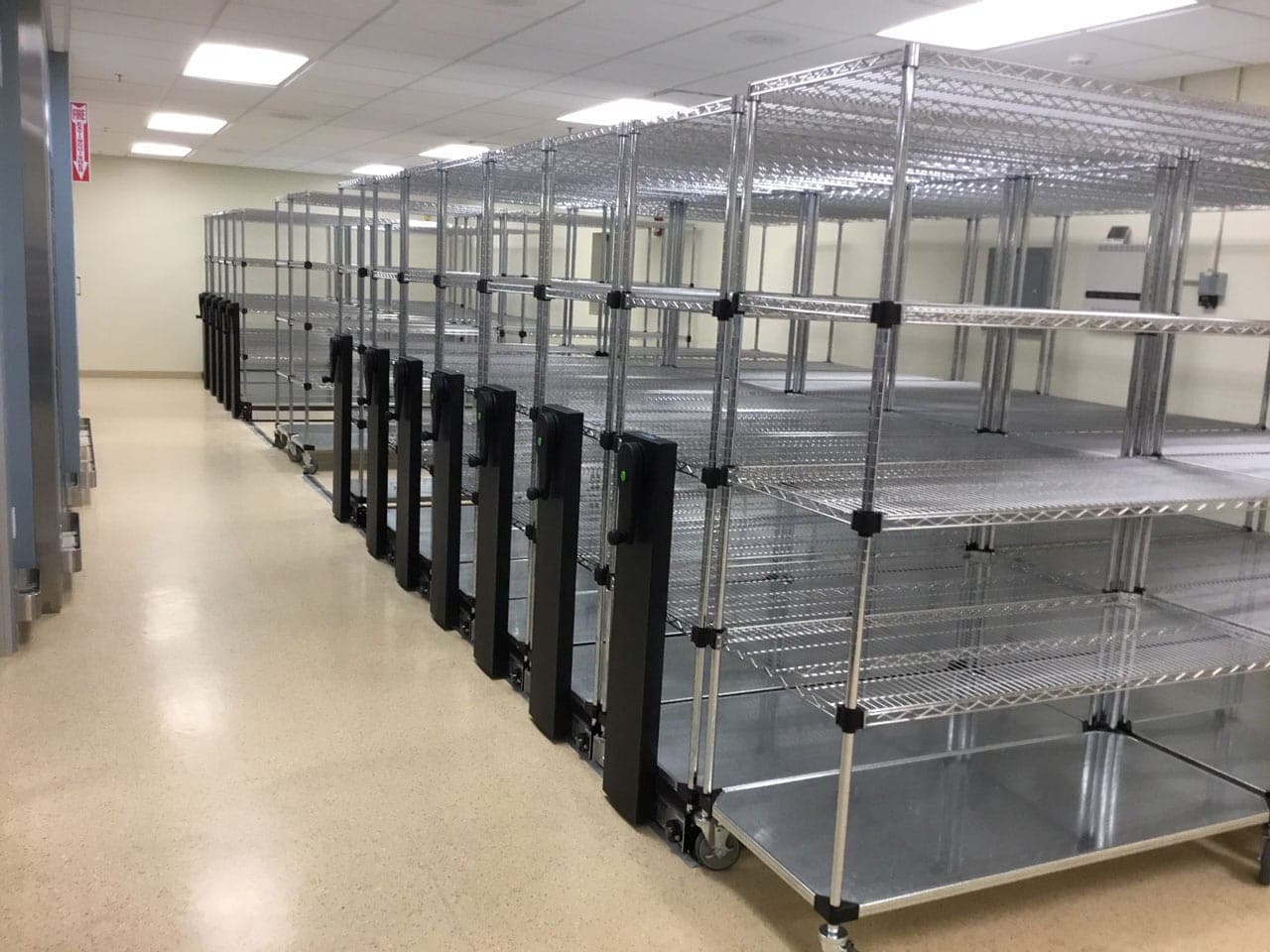
Interchangeable equipment enables flexible deployment across departments based on census fluctuations or equipment maintenance schedules. Bulk purchasing power from limiting cart models to fewer manufacturers reduces per-unit supply acquisition costs while simplifying solutions for spare parts inventory management.
Large hospitals demonstrate 87% standardization adoption while small hospitals lag at 48% adoption, reflecting resource constraints and change management challenges in smaller organizations. A three-phase standardization framework begins with needs assessment involving multidisciplinary teams from emergency departments, materials management, and clinical leadership. Phase two establishes selection criteria based on durability scores, total cost of ownership projections, and feature alignment with clinical workflows documented through time-motion studies.
Phase three implements rollout strategies that include staff training, equipment placement protocols, and performance monitoring. Facilities report optimal results when implementation teams include frontline staff who provide operational insight about workflow patterns and supply accessibility requirements specific to emergency department environments.
Scottsdale Healthcare achieved 80% reduction in medication discrepancies through standardized crash cart configurations that eliminated variation in drug placement across emergency bays. The facility documented 50% reduction in staff walking distance by positioning carts consistently in each room relative to patient stretcher placement. Operating room readiness improved to 95% through standardized equipment checks enabled by identical cart layouts that simplified inspection protocols.
Training time decreased 65% as new staff learned a single standardized configuration rather than adapting to unit-specific variations. Maintenance costs declined 55% through concentrated spare parts inventory supporting fewer cart models across the enterprise.
A 12-step procurement framework guides systematic evaluation beginning with a clinical needs assessment that identifies required storage capacity and equipment types. Feature specifications should address drawer quantity, weight capacity per shelf, locking mechanism security level, and surface material compatibility with facility disinfection protocols. Technology integration requirements must match existing electronic health record platforms and wireless infrastructure capabilities within emergency department physical environments.
Mobility specifications, including caster size, swivel range, and floor-surface compatibility, ensure carts function reliably across varied areas. Dimensional requirements must account for doorway clearances, elevator capacities, and storage room configurations that constrain maximum cart footprints in existing facilities.
Total cost of ownership calculations extend beyond the initial purchase price to include maintenance expenses, replacement parts costs, and the expected lifespan that affects annual depreciation. Facilities implementing standardized configurations through service partnerships report 55% reductions in maintenance costs by concentrating expertise on fewer equipment models. Extended warranty options transfer risk for premature component failure to manufacturers during the initial deployment period, when actual usage patterns may exceed anticipated stress levels.
Preventive maintenance schedules based on manufacturer recommendations extend equipment lifespan while identifying wear patterns that inform future procurement specifications. Life-cycle replacement planning coordinates capital budgets with equipment age profiles that prevent simultaneous obsolescence across entire cart inventories.
Urban emergency departments demonstrate 92% electronic health record adoption compared to 75% adoption in rural facilities, affecting technology integration priorities for mobile workstations. Rural facilities prioritize modu-stor-cts-hd durability features due to longer equipment replacement cycles constrained by limited capital budgets. Supply chain differences require rural facilities to maintain larger par levels of medications and supplies on carts due to longer restocking intervals from central pharmacies or distribution centers, where supply shortages carry greater operational risk.
Urban facilities emphasize compact cart designs that navigate congested emergency departments with higher patient volumes per square foot. Rural emergency departments may prioritize modu-max versatility that enables single cart models to serve multiple clinical functions across smaller facilities with less specialized equipment inventories.
Emergency departments selecting optimal cart configurations in 2026 balance manufacturer capabilities, pricing tiers, and standardization frameworks that drive measurable operational improvements across emergency department services. Capsa Healthcare and Ergotron lead market share through innovation in mobile workstations, while Harloff Manufacturing emphasizes durability in emergency crash cart applications. Budget-conscious facilities obtain functional emergency crash carts for $2,700 to $3,756, while premium mobile workstations justify $7,000 to $10,000 investments through technology integration that supports electronic health record workflows.
Standardization initiatives deliver documented benefits, including 80% medication error reductions and 50% decreases in staff walking distance, as demonstrated in validated case studies. Procurement frameworks emphasizing total cost of ownership, feature alignment with clinical workflows, and vendor support capabilities enable evidence-based decisions that optimize emergency department efficiency while controlling capital expenditures throughout equipment lifecycles.
Healthcare facilities implementing systematic standardization programs position themselves to maximize return on medical cart investments through reduced training burden, simplified maintenance operations, and improved clinical outcomes resulting from consistent equipment placement that supports rapid emergency response. Organizations like Distribution Systems International bring specialized expertise in healthcare storage solutions that help emergency departments navigate complex procurement decisions while optimizing supply management, inventory management, and workflow efficiency.
Is your emergency department ready to implement standardized cart configurations that reduce operational costs while improving clinical efficiency? Explore comprehensive healthcare storage services designed to support acute care facilities through assessment, implementation, and ongoing optimization of medical equipment systems.
Distribution Systems International has helped acute care facilities standardize their storage since 1990. Our LEAN-based process begins with a complimentary on-site storage analysis, moves to architectural CAD layouts shaped by your supply usage data and the daily routines of your nursing staff, and finishes with a full turnkey installation that keeps your emergency department running. The result is fewer supply shortages, lower supply acquisition costs, and faster access to the medical supplies your team needs during critical events. Ready to bring standardized supply carts and dependable supply management to your emergency department services? Contact Distribution Systems International to schedule your free storage analysis.

With 21 years of sales management, marketing, P&L responsibility, business development, national account, and channel management responsibilities under his belt, Ian has established himself as a high achiever across multiple business functions. Ian was part of a small team who started a new business unit for Stanley Black & Decker in Asia from Y10’ to Y14’. He lived in Shanghai, China for two years, then continued to commercialize and scale the business throughout the Asia Pacific and Middle East regions for another two years (4 years of International experience). Ian played college football at the University of Colorado from 96’ to 00’. His core skills sets include; drive, strong work ethic, team player, a builder mentality with high energy, motivator with the passion, purpose, and a track record to prove it.