Healthcare facilities continually evaluate supply distribution methods to optimize workflow efficiency and inventory control. Exchange carts and PAR-level carts represent two distinct approaches to managing medical supplies at the point of care. Both systems address critical operational challenges, including stockouts, inventory accuracy, and staff time management.
This supply system comparison examines the functional differences between exchange and PAR-level methodologies across multiple dimensions. Factors including workflow impact, material performance, cost structures, and facility demographics influence which approach delivers superior operational outcomes. Understanding these distinctions enables informed decisions aligned with specific clinical environments and organizational priorities.
Exchange cart systems operate using a dual-cart rotation model for specific care areas. One cart remains on the floor for clinical use while an identical cart undergoes restocking in central supply. When the active cart reaches predetermined depletion levels, staff exchange it for the fully stocked cart. This approach eliminates wait times associated with traditional restocking and ensures continuous supply availability.
The exchange process typically occurs on scheduled intervals or is triggered by visual inspection of supply levels. Central supply staff replenish the removed cart to full capacity while clinical staff access supplies from the freshly stocked replacement. This rotation maintains consistent availability and reduces the time nursing staff spends managing inventory.
Exchange cart systems require two identical carts allocated to each service area or clinical department. This duplication ensures one cart always contains the complete inventory while the other undergoes replenishment. Cart specifications must match precisely to maintain consistent storage locations and prevent confusion during exchanges.
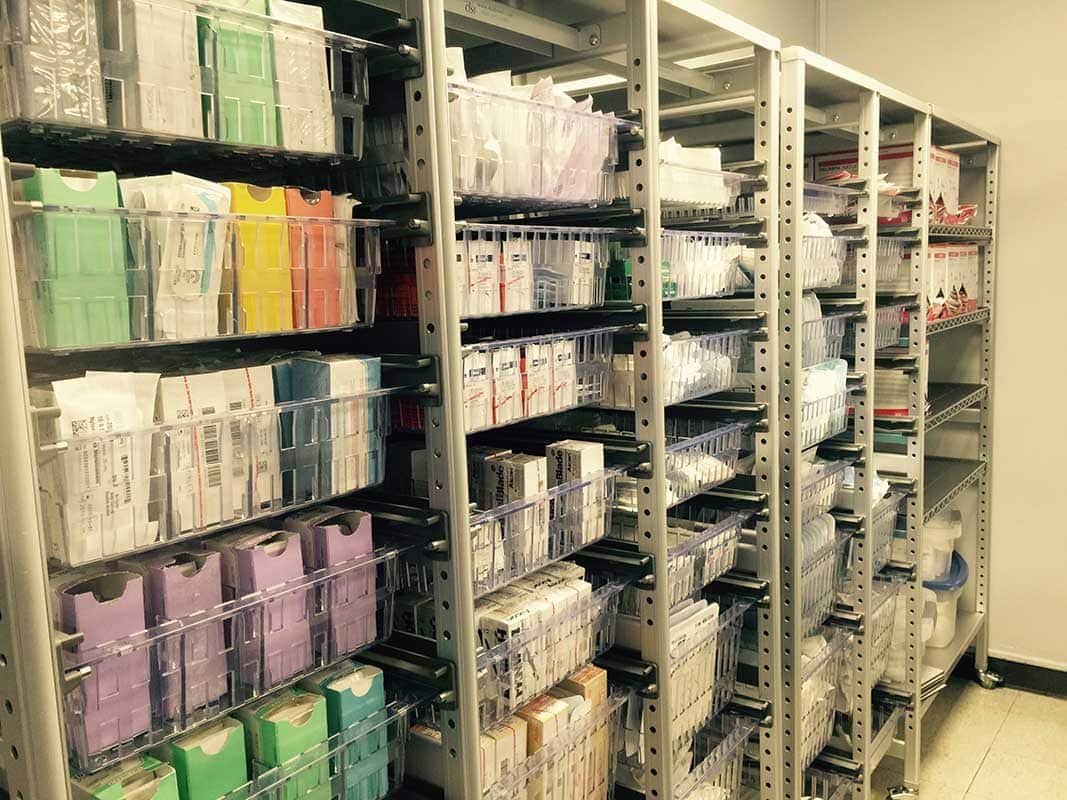
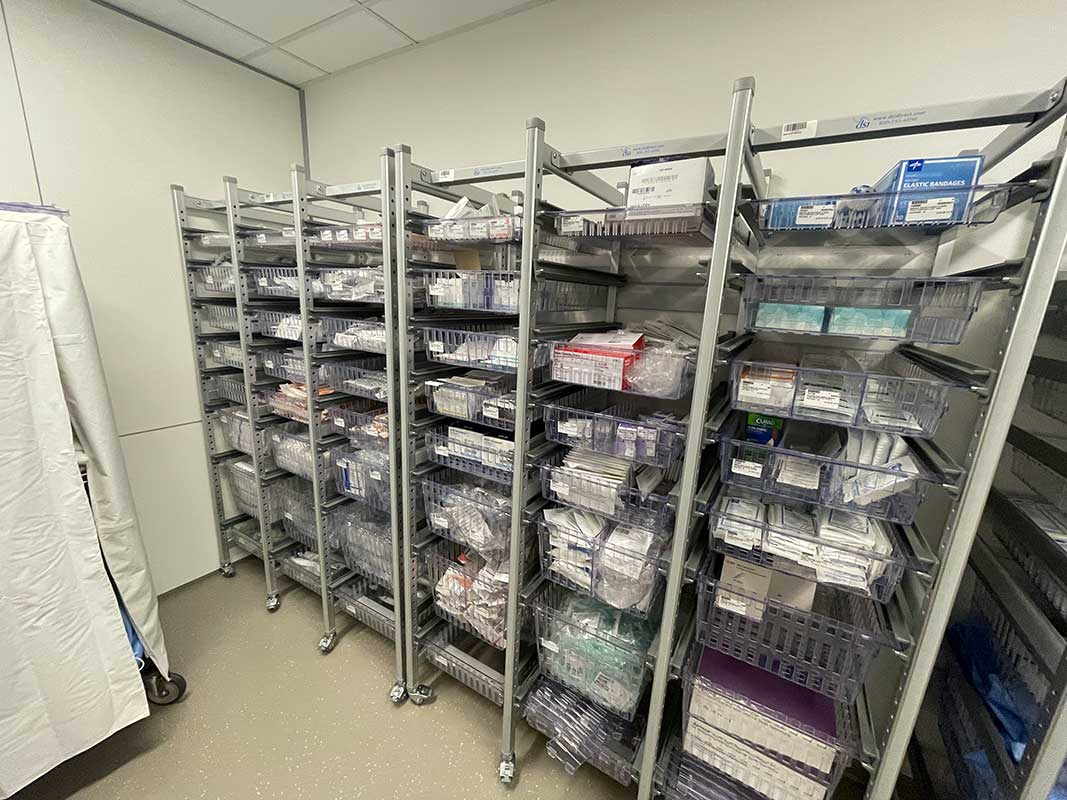
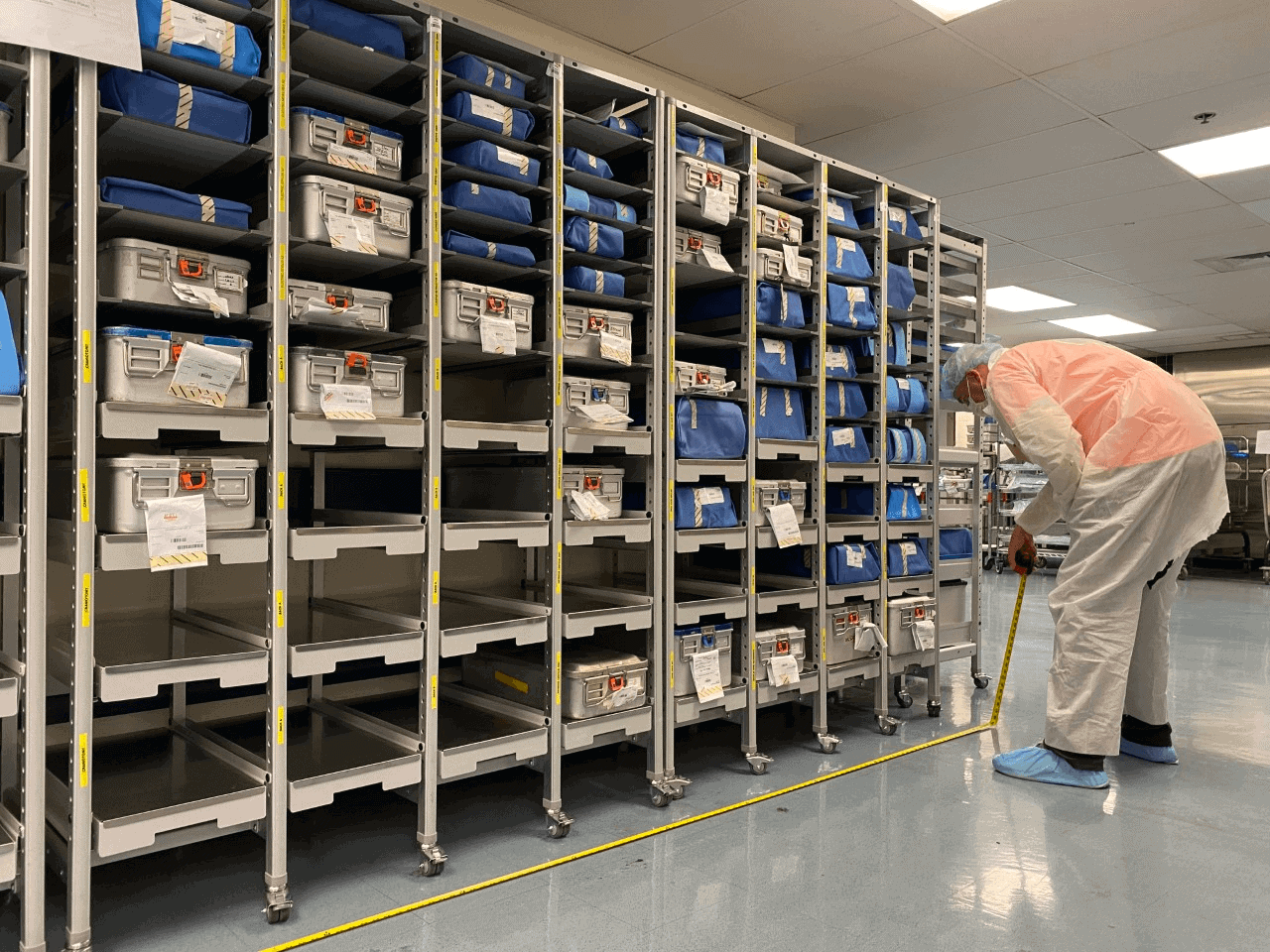
The system relies on standardized cart configurations, including drawer layouts, bin arrangements, and product positioning. Visual management tools such as labeled compartments and color-coded dividers facilitate rapid identification of supplies. Most implementations incorporate medical carts designed for frequent movement and quick inventory verification by central supply staff.
Exchange carts demonstrate the highest utility in high-volume acute care settings with predictable supply consumption patterns. Operating rooms, emergency departments, and procedural areas benefit from continuous supply availability without mid-procedure interruptions. These environments demand rapid turnover and cannot tolerate delays caused by manual restocking procedures.
Facilities with centralized supply processing departments achieve maximum efficiency from exchange cart implementations. The system works effectively when transportation logistics between the central supply and clinical areas operate smoothly. Many hospitals deploy exchange carts specifically for standardized procedure trays and frequently used supply categories.
PAR-level systems maintain predetermined Periodic Automatic Replacement inventory quantities at designated storage locations. Each supply item receives a defined minimum and maximum quantity threshold based on historical consumption data. When inventory drops below the established PAR level, the system triggers replenishment to restore supplies to maximum levels.
Staff members conduct regular inventory counts to monitor current stock levels against established thresholds. Manual counting methods involve visual inspection and documentation on paper forms or electronic devices. More advanced implementations use barcode scanning or RFID technology to automate inventory tracking and generate automatic reorder notifications when supplies reach reorder points.
PAR-level inventory control requires systematic counting procedures performed at consistent intervals, typically daily or weekly. Staff scan barcodes or manually record quantities for each supply item during inventory cycles. The collected data identifies items requiring replenishment and calculates the quantity needed to restore PAR levels.
Restocking staff reference generated pick lists showing specific items and quantities needed for each cart location. They retrieve supplies from central inventory, transport them to cart locations, and replenish depleted items. This process continues until all items reach maximum PAR levels, with documentation updated to reflect new inventory status.
PAR-level approaches offer flexibility in adjusting inventory levels based on changing consumption patterns and seasonal variations. Facilities can modify PAR settings for individual items without restructuring entire cart configurations. The system provides detailed consumption data useful for purchasing decisions and identifying utilization trends across departments.
However, manual counting introduces opportunities for human error, affecting inventory accuracy and increasing stockout risk. Labor costs associated with regular counting cycles represent ongoing operational expenses that accumulate over time. PAR-level systems increasingly face augmentation or replacement by automated tracking technologies that reduce manual labor requirements and improve data accuracy.
The fundamental distinction lies in replenishment methodology: exchange systems swap entire carts while PAR systems replenish individual items. Exchange cart implementations require double the cart quantity compared to PAR-level approaches for equivalent coverage. This difference affects initial capital investment, storage space requirements, and central supply processing workflows.
Inventory control approaches differ significantly between the two methodologies, affecting accuracy and visibility. Exchange systems rely on central supply staff to verify complete cart contents before deployment to clinical areas. PAR-level systems depend on point-of-use counting by clinical or supply staff to identify replenishment needs and maintain inventory records.
Exchange cart systems minimize stockouts by ensuring fully stocked carts replace depleted units before supplies run out. Nursing staff avoid searching for supplies or waiting for individual item replenishment during patient care activities. The exchange process typically requires less than five minutes compared to 20-30 minutes for traditional PAR-level restocking procedures.
Clinical staff productivity improves when supply interruptions decrease and item locations remain consistent across identical carts. Central supply personnel process carts in controlled environments with organized workstations and direct access to bulk inventory. This centralization reduces the number of staff members handling inventory and concentrates quality control oversight.
Exchange systems maintain higher average inventory levels because two full carts exist for each service area. This redundancy provides a buffer stock protecting against unexpected demand spikes or supply chain disruptions. However, the approach requires more physical storage space and higher inventory carrying costs compared to PAR-level implementations.
PAR-level systems optimize inventory quantities based on consumption patterns, potentially reducing overall stock levels and associated costs. Accuracy depends heavily on counting discipline and system compliance by staff performing inventory verification. Modern track systems with automated monitoring capabilities address accuracy concerns by eliminating manual counting while maintaining PAR-level optimization benefits.
Material selection significantly impacts cart longevity, infection control compliance, and operational functionality across both supply systems. Stainless steel construction provides exceptional durability with service life often exceeding 15 years in demanding clinical environments. This material serves as the standard for surgical carts, anesthesia carts, and heavy-duty procedure carts requiring rigorous chemical disinfection.
ABS plastic and polymer materials offer smooth, easy-to-clean surfaces at a lower initial cost compared to metal alternatives. These materials work effectively for general supply distribution and medication carts in less demanding environments. However, plastic bins and polymer surfaces may harbor pathogens if cracked or damaged, requiring regular inspection and replacement.
Stainless steel products withstand repeated exposure to harsh disinfectants without surface degradation or structural compromise. The non-porous surface prevents bacterial colonization and simplifies cleaning protocols required between patient encounters or procedure uses. Healthcare facilities prioritizing infection prevention typically specify stainless steel for carts used in sterile processing, operating rooms, and isolation units.
Polymer materials provide adequate performance for routine cleaning with standard hospital-grade disinfectants in general care areas. The lighter weight reduces physical strain during cleaning and repositioning activities performed multiple times per shift. Material selection must align with facility infection control standards, anticipated chemical exposure, and expected cart replacement cycles.
Aluminum construction offers lightweight characteristics ideal for carts requiring frequent movement across multiple departments or facility floors. Staff fatigue decreases when cart weight remains manageable during transport activities occurring dozens of times daily. This material choice particularly benefits emergency carts, mobile computing carts, and supply distribution carts traveling significant distances.
Emergency and crash carts can become extremely heavy when fully loaded with medical equipment and emergency medications. Ergonomic wheel systems with large-diameter casters reduce the pushing force required and improve maneuverability through crowded corridors. Facilities using Modu-Stor carts and modular storage systems benefit from configurable designs that balance load capacity with mobility requirements.
Initial investment requirements differ substantially between exchange and PAR-level implementations due to cart quantity requirements. Exchange systems require purchasing two carts per service area location, effectively doubling the capital expense for cart acquisition. PAR-level approaches need only one cart per location but may require additional technology investment for automated tracking systems.
Equipment costs vary significantly based on cart type, material construction, and integrated technology features. Emergency and crash carts range from $1,500 to $5,000 or more, depending on drawer configurations and security features. Mobile computing and telemedicine carts command $3,000 to $8,000 or higher due to integrated power systems and mounting hardware.
Anesthesia carts typically cost between $2,500 and $6,000, reflecting specialized locking mechanisms and stainless steel construction requirements. Medication carts range from $2,000 to $5,000, incorporating features like electronic locks and barcode scanner integration. General supply and procedure carts represent the most economical option at $800 to $3,000, depending on size and material selection.
Maintenance expenses include wheel replacement, lock repairs, and structural component restoration required over the cart's operational lifespan. Exchange systems experience higher maintenance costs due to doubled cart quantities requiring service and eventual replacement. However, centralized processing in exchange models may reduce damage rates compared to carts remaining in clinical areas.
Total cost of ownership encompasses initial purchase price, maintenance costs, and expected service life when evaluating system investments. A stainless steel cart costing $4,000 with a 15-year service life delivers a lower annual cost than a $2,000 polymer cart requiring replacement after 7 years. Labor costs associated with inventory management represent significant ongoing expenses that vary substantially between system types.
Healthcare storage solutions require balancing upfront capital investment against operational efficiency gains and reduced labor expenses over time. Procurement leaders increasingly prioritize sustainability in purchasing decisions, with 96% identifying it as a key consideration. Durable cart construction reduces replacement frequency, minimizes waste, and aligns with environmental responsibility commitments while delivering favorable long-term economics.
Geographic location and facility characteristics significantly affect supply system selection and cart type preferences across healthcare organizations. Urban hospitals demonstrate higher adoption rates for advanced, technology-integrated carts supporting electronic health record workflows and automated inventory tracking. These facilities typically possess larger capital budgets and established IT infrastructure supporting sophisticated medical cart implementations.
Rural hospitals prioritize durability, cost-effectiveness, and multi-functional cart designs addressing limited staffing and constrained budgets. Distance from suppliers and limited access to maintenance services favor robust, simple cart designs requiring minimal specialized support. The growing adoption of telemedicine carts in rural settings bridges specialist access gaps through remote consultation capabilities.
Urban acute care facilities manage higher patient volumes and greater care complexity, requiring specialized cart types for distinct clinical functions. Separate cart fleets serve operating rooms, emergency departments, imaging centers, and inpatient units with configurations tailored to specific workflows. The concentration of healthcare facilities in urban areas supports specialized cart manufacturers and local service providers.
Rural facilities often deploy multi-purpose carts serving multiple functions to maximize equipment utilization and justify capital investments. Limited storage space and smaller supply rooms favor compact cart designs and efficient healthcare storage configurations. These environments typically implement PAR-level systems due to lower inventory carrying costs and reduced need for duplicate cart investments.
Demographic trends, including population aging, drive increased demand for healthcare services and supporting infrastructure, including supply distribution systems. The number of persons aged 65 and over will more than double by 2050, according to United Nations projections. The European Union reported that over 21.3% of its population was aged 65 and over as of 2023.
Aging populations require more frequent hospitalizations and longer lengths of stay, increasing supply consumption rates and inventory turnover velocity. High-volume facilities benefit from exchange cart systems that support rapid replenishment without disrupting clinical workflows or delaying procedures. Lower-volume facilities may find PAR-level systems sufficient for managing predictable consumption patterns with smaller inventory quantities.
Both supply systems face distinct operational challenges requiring systematic management approaches and staff training protocols. Exchange cart systems require precise scheduling coordination between central supply and clinical departments to prevent premature cart swaps or delayed exchanges. Facilities must establish clear communication channels and backup procedures addressing unexpected demand spikes or equipment failures.
PAR-level implementations struggle with maintaining counting discipline and ensuring staff compliance with established inventory verification procedures. Inconsistent counting practices lead to inaccurate inventory data, stockouts, and emergency supply requests disrupting normal procurement workflows. Successful implementations incorporate automated data collection technologies, reducing manual effort and improving accuracy.
Exchange cart accuracy depends on comprehensive quality control procedures during central supply processing and cart preparation activities. Staff must verify every item against standardized par lists and confirm proper placement in designated storage locations. Visual management tools, including labels, dividers, and color-coding systems, reduce preparation errors and facilitate clinical staff item location.
PAR-level accuracy requires regular cycle counting audits comparing physical inventory against system records to identify discrepancies. Facilities implementing barcode or RFID scanning technology eliminate manual counting errors and provide real-time inventory visibility. Automated reorder triggers ensure timely replenishment before stock depletion occurs, reducing emergency supply requests and associated rush procurement costs.
Effective exchange cart implementation requires training central supply staff on standardized cart preparation procedures and quality verification checkpoints. Clinical staff need clear guidance on exchange timing, cart swap procedures, and proper communication with supply personnel. Process documentation, including visual aids and step-by-step instructions, supports consistent execution across all shifts.
PAR-level system success depends on comprehensive training covering counting procedures, data entry protocols, and proper use of scanning equipment. Staff must understand the importance of accurate data for purchasing decisions and inventory optimization efforts. Regular competency assessments and refresher training maintain compliance and address performance gaps affecting system reliability.
The global medical carts market was estimated at approximately USD 3.55 billion in 2024, reflecting widespread adoption across healthcare facilities. Market projections indicate growth to between USD 15.66 billion and USD 17.21 billion by 2034, driven by technological advancement and aging demographics. This market expansion occurs at a CAGR of 15.40% during the forecast period from 2026 to 2034.
North American healthcare facilities account for approximately 40.87% to 46.45% of the global revenue share in 2024 and 2025. The United States represents over 81% of the North American market share, demonstrating significant domestic investment in medical cart infrastructure. These statistics reflect ongoing efforts to improve workflow efficiency, reduce inventory carrying costs, and enhance patient care delivery through optimized supply management systems.
Selecting between exchange carts and PAR-level carts requires a comprehensive evaluation of facility-specific operational requirements, budget constraints, and strategic priorities. Exchange systems deliver superior workflow efficiency and supply availability at a higher initial investment and ongoing inventory costs. PAR-level approaches optimize inventory quantities and reduce capital requirements while demanding greater staff discipline and potentially accepting lower service levels.
DSIDirect provides turnkey healthcare storage solutions supporting both supply system methodologies through consultation, design engineering, and complete implementation services. The optimal system selection depends on facility size, patient volume, available capital, and operational priorities, requiring expert analysis and customized design approaches.
Choosing between exchange carts and PAR-level carts comes down to your facility's patient volume, budget, and the way your staff actually moves through their day. Distribution Systems International has helped acute care facilities make that call since 1990, applying LEAN inventory methodology to match the right system to your real workflow rather than a one-size-fits-all template. The process starts with a complimentary on-site storage analysis, followed by CAD layouts that let you visualize the new space and a clear ROI before you commit a dollar. From there, the Distribution Systems International team manages turnkey installation, including delivery, assembly, and inventory transfer, so your clinical staff stays focused on patient care instead of supply logistics.
Ready to find out which system fits your facility? Contact Distribution Systems International to schedule your free, no-obligation storage analysis.

With 21 years of sales management, marketing, P&L responsibility, business development, national account, and channel management responsibilities under his belt, Ian has established himself as a high achiever across multiple business functions. Ian was part of a small team who started a new business unit for Stanley Black & Decker in Asia from Y10’ to Y14’. He lived in Shanghai, China for two years, then continued to commercialize and scale the business throughout the Asia Pacific and Middle East regions for another two years (4 years of International experience). Ian played college football at the University of Colorado from 96’ to 00’. His core skills sets include; drive, strong work ethic, team player, a builder mentality with high energy, motivator with the passion, purpose, and a track record to prove it.