Healthcare facilities face critical decisions when selecting medical cart materials that balance operational demands with budget constraints. The choice between aluminum and steel medical carts affects workflow efficiency, staff ergonomics, infection control compliance, and financial outcomes. Material selection influences cart performance across emergency response, medication dispensing, mobile computing, and general supply distribution.
Understanding functional differences between aluminum and steel construction enables procurement leaders to align cart specifications with clinical requirements. This comprehensive durability comparison examines weight considerations, cost analysis factors, and practical trade-offs impacting healthcare delivery. The global medical carts market reached USD 3.55 billion in 2024 and is projected to grow to USD 15.66 billion by 2034.
Aluminum medical carts feature lightweight alloy frames designed for frequent movement and reduced physical strain. Steel medical carts utilize stainless steel or carbon steel construction, prioritizing structural integrity and longevity in demanding clinical environments. Both material types serve distinct functional roles based on load capacity requirements, mobility needs, and infection control standards.
Material composition determines performance characteristics, including corrosion resistance, surface finish quality, and compatibility with chemical disinfection protocols. Hybrid construction combines metal frames with ABS plastic components to optimize weight distribution while maintaining structural stability.
Aluminum construction provides exceptional strength-to-weight ratios, enabling easy maneuverability through hospital corridors and patient rooms. The lightweight nature reduces the physical exertion required for cart positioning, minimizing musculoskeletal injury risk during extended shifts. Aluminum alloys resist oxidation naturally while offering adequate structural support for standard medical supply loads.
High-grade aluminum alloys maintain dimensional stability under repeated thermal cycling and moderate impact conditions. Surface treatments, including anodization, enhance scratch resistance and simplify cleaning procedures for infection control compliance. Aluminum frames paired with polymer shelving create cost-effective solutions for mobile computing carts requiring frequent repositioning.
Stainless steel delivers superior durability for heavy-duty applications, including anesthesia delivery systems and emergency crash carts. Service life for properly maintained stainless steel carts often exceeds 15 years in acute care environments. The material withstands repeated chemical exposure from hospital-grade disinfectants without surface degradation.
Steel construction supports higher load capacities necessary for medication dispensing systems with secure locking mechanisms and dense drawer configurations. Surgical-grade stainless steel provides non-porous surfaces that prevent bacterial colonization and facilitate thorough decontamination. Steel frames offer rigid mounting platforms for integrated technology systems, including barcode scanners, electronic locks, and automated inventory tracking found in medical carts deployed across healthcare facilities.
Emergency carts predominantly utilize aluminum or steel frames combined with ABS components to balance mobility requirements with structural durability. Mobile computing carts favor lightweight aluminum alloys to reduce pushing force while supporting electronic health record systems. Anesthesia carts require stainless steel or heavy-duty aluminum construction to accommodate specialized drawer configurations and controlled substance security.
Medication carts employ aluminum, steel, or hybrid construction depending on electronic locking system complexity and anticipated service duration. General supply carts frequently feature wire shelving, polymer materials, or aluminum frames optimized for cost-effectiveness and multi-functional deployment.
Durability comparison between aluminum and steel medical carts reveals distinct performance advantages based on intended application. Steel construction withstands higher impact forces and maintains structural integrity under extreme loading conditions. Weight differences significantly affect daily usability, with aluminum carts requiring approximately 30-40% less pushing force compared to equivalent steel designs.
Service life expectations vary considerably, with stainless steel installations regularly exceeding 15 years while aluminum carts typically require replacement after 8-12 years under continuous use. The weight penalty associated with steel construction creates ergonomic challenges during extended shifts, contributing to staff fatigue.
Stainless steel medical carts demonstrate exceptional longevity through resistance to mechanical wear, chemical exposure, and structural fatigue. Frame integrity remains stable even under repeated impact from collisions during rushed emergency responses. Steel construction maintains load-bearing capacity without deformation after years of continuous clinical use.
Aluminum carts exhibit adequate durability for general applications but show accelerated wear patterns at stress concentration points, including caster mounts and drawer slides. Surface treatments extend functional lifespan by preventing oxidation and maintaining aesthetic appearance. Proper maintenance protocols, including regular lubrication and hardware inspection, significantly influence actual service duration for both material types.
Lightweight aluminum construction reduces physical strain on healthcare workers who reposition carts multiple times per shift. The reduced mass enables single-person operation for most cart types, improving workflow efficiency during time-critical patient care activities. Aluminum designs facilitate easier navigation around obstacles and through confined spaces.
Steel medical carts require greater pushing force, increasing energy expenditure and cumulative fatigue risk during 12-hour nursing shifts. Heavy construction impedes rapid response capabilities when emergency equipment must move quickly between patient locations. Weight considerations directly impact staff safety, with lighter aluminum alternatives reducing musculoskeletal disorder incidence.
Stainless steel surfaces withstand aggressive chemical disinfection protocols, including quaternary ammonium compounds, hydrogen peroxide solutions, and sodium hypochlorite preparations, without material degradation. The non-porous surface structure prevents microbial colonization and facilitates complete pathogen removal. Steel construction meets stringent infection control standards required for surgical environments and isolation units.
Aluminum materials demonstrate adequate chemical resistance for standard hospital disinfectants but may show surface discoloration under prolonged exposure. ABS plastic and polymers offer smooth, easy-to-clean surfaces at a lower cost but may harbor pathogens if cracked. Material selection for stainless steel products directly influences infection prevention effectiveness and regulatory compliance.
Cost analysis for medical carts extends beyond initial purchase price to encompass maintenance expenses and replacement frequency over the equipment lifecycle. Aluminum carts typically cost 15-25% less initially compared to equivalent steel designs. Steel construction delivers superior long-term value through extended service life despite higher upfront investment.
Budget considerations must account for facility-specific usage patterns, maintenance capabilities, and capital replacement cycles when evaluating material options. Total cost of ownership analysis reveals that steel carts often provide better financial performance in high-utilization environments despite premium pricing.
Emergency carts range from $1,500 to $5,000+, depending on material construction, locking mechanisms, and integrated equipment mounting systems. Mobile computing carts command $3,000 to $8,000+ price points reflecting advanced power systems, monitor mounts, and ergonomic adjustment features. Anesthesia carts fall between $2,500 and $6,000+ based on drawer configurations, security features, and stainless steel work surface specifications.
Medication carts span $2,000 to $5,000+, incorporating electronic locking systems, barcode integration, and individualized drawer compartments. General supply carts represent the most economical option at $800 to $3,000+, utilizing wire shelving, polymer construction, or basic aluminum frames. Premium stainless steel construction consistently adds 20-30% to base pricing compared to aluminum alternatives.
Total cost of ownership encompasses initial purchase price, maintenance costs, and expected service life to calculate true equipment investment value. Steel carts require minimal maintenance beyond routine cleaning and occasional caster replacement, reducing long-term operational expenses. Mobile computing carts incur high maintenance costs for power systems, including battery replacement and charging infrastructure repairs.
Aluminum frames may require more frequent component replacement due to accelerated wear at high-stress connection points. Labor costs for maintenance activities, parts inventory management, and equipment downtime contribute significantly to TCO calculations.
Stainless steel medical carts deliver superior long-term value through extended replacement cycles spanning 15+ years in typical acute care environments. Aluminum equipment requires replacement after 8-12 years under continuous use, increasing capital expenditure frequency. Depreciation schedules, tax considerations, and budget planning cycles influence material selection based on organizational financial strategies.
Replacement frequency impacts inventory management, staff training requirements, and operational continuity. Steel construction minimizes disruption through extended service intervals, while aluminum alternatives provide shorter-term cost advantages for facilities with uncertain long-term needs.
Material selection directly determines cart suitability for specialized clinical applications requiring specific performance characteristics. Aluminum construction excels in applications prioritizing mobility and frequent repositioning. Steel materials prove essential for heavy-duty applications involving high load capacities, secure storage requirements, and rigorous decontamination protocols.
Functional requirements vary dramatically between emergency response equipment, medication dispensing systems, and mobile computing platforms. Material properties fundamentally enable or constrain technology integration possibilities, including electronic locking mechanisms and automated inventory tracking.
Emergency carts require immediate accessibility during life-threatening situations, demanding rapid response and intuitive organization of resuscitation supplies. Material selection balances durability against mobility needs when equipment must move quickly through congested hallways. Emergency cart features include breakaway locks, defibrillator mounts, oxygen tank holders, IV poles, and CPR boards.
Aluminum frames reduce transport time during critical interventions while maintaining adequate structural support. Emergency carts can be heavy when fully loaded, requiring robust caster systems and ergonomic handle designs to enable single-person operation. Steel construction provides superior impact resistance, protecting sensitive electronic equipment during rushed emergency deployments found in application gallery examples.
Mobile computing carts integrate electronic health record access directly into patient care workflows through mounted monitors, keyboards, and secure CPU storage. Lightweight aluminum construction enables frequent repositioning between patient rooms and nursing stations. Mobile computing cart features include hot-swappable batteries, monitor mounts, keyboard trays, secure CPU storage, and camera mounts.
Power system integration adds considerable weight regardless of frame material, necessitating careful design optimization to maintain acceptable mobility. Mobile computing carts represent a significant initial investment at $3,000 to $8,000+, requiring careful evaluation of expected utilization and technology refresh cycles.
Anesthesia carts demand exceptional security, load capacity, and durability to support complex drug preparation protocols in surgical environments. Stainless steel construction provides the necessary structural integrity for dense drawer configurations and specialized work surfaces required for anesthesia preparation. Anesthesia cart features include dual-locking security, high load capacity, specialized drawer configurations, and stainless steel work surfaces.
Medication carts require individualized locking drawers, barcode scanner integration, and electronic locking mechanisms preventing unauthorized access to controlled substances. Anesthesia carts incur high cost and heavy weight, reflecting specialized design requirements and premium materials. Medication carts with complex locking systems require maintenance for electronic components, battery backup systems, and mechanical locking hardware, making solutions that balance security with reliability particularly valuable.
Procurement leaders prioritize total cost of ownership analysis over initial purchase price when evaluating medical cart investments. Quality and durability considerations rank highly given the direct impact on operational reliability and replacement frequency. Mobility characteristics significantly influence staff satisfaction and actual equipment utilization rates.
Infection control capabilities have gained prominence following increased awareness of healthcare-associated infection risks. Ergonomic features receive greater attention as organizations focus on reducing workplace injuries and improving staff retention. Decision frameworks increasingly incorporate sustainability metrics, vendor reliability, and long-term partnership potential.
Healthcare buyers evaluate material durability against functional requirements specific to intended applications. Procurement leaders prioritizing sustainability represent 96% of surveyed decision-makers, favoring equipment offering extended service life and recyclable material content. Quality considerations encompass surface finish consistency, joint construction methods, hardware specifications, and manufacturer warranty terms.
Weight reduction delivers measurable ergonomic benefits but cannot compromise structural integrity or load-bearing capacity essential for safe operations. Cost sensitivity varies considerably based on facility financial health and capital budget allocation processes.
Cart mobility directly affects workflow efficiency, staff satisfaction, and equipment utilization rates. Lightweight construction enables rapid repositioning during time-sensitive patient care activities, including emergency response and medication administration rounds. Maneuverability through doorways, around corners, and within confined patient rooms determines practical functionality.
Caster quality, swivel mechanisms, and wheel diameter significantly influence pushing force requirements independent of frame material selection. Staff feedback during equipment trials provides critical insights into practical mobility performance. Facilities with aging infrastructure, narrow corridors, or elevator constraints must carefully evaluate weight and maneuverability.
Surface characteristics, including porosity, seam design, and material composition, fundamentally determine cleaning effectiveness and pathogen removal during disinfection protocols. Non-porous stainless steel construction facilitates thorough decontamination required for surgical environments and isolation units. Smooth surface finishes without crevices reduce microbial colonization risk.
Ergonomic handle designs, adjustable height mechanisms, and balanced weight distribution minimize physical strain during repetitive cart handling tasks. Features supporting proper body mechanics reduce musculoskeletal disorder incidence among nursing staff, improving workplace safety. Infection control and ergonomic considerations increasingly influence purchasing decisions through equipment specifications found in comprehensive services portfolios.
Geographic location and patient population characteristics significantly influence medical cart material preferences. Market concentration in North America drives specification standards, while rapid growth in the Asia Pacific creates demand for cost-effective alternatives. Demographic trends include population aging, increased equipment utilization intensity, and replacement frequency.
Regional economic conditions, reimbursement structures, and regulatory environments shape capital allocation decisions. Healthcare delivery models differ substantially between urban academic medical centers and rural critical access hospitals, affecting cart specifications and budget constraints.
Urban facilities demonstrate higher adoption rates for advanced technology-integrated carts, including automated dispensing systems. Larger capital budgets enable premium stainless steel construction and sophisticated features supporting complex clinical workflows. Academic medical centers prioritize cutting-edge technology integration and specialized equipment.
Rural facilities prioritize durability, cost-effectiveness, and multi-functional carts serving diverse clinical needs. Tighter budget constraints favor aluminum construction and standardized designs, reducing initial investment requirements. Limited maintenance resources influence material selection toward proven, low-maintenance designs through programs like contracts offering reliable support.
Global aging populations drive increased hospitalization rates and longer average length of stay, requiring greater equipment capacity and durability. The EU population aged 65 and over exceeded 21.3% as of 2023, creating sustained demand for geriatric care infrastructure. Elderly patients requiring frequent position changes and medication administration increase daily cart utilization intensity.
Bariatric patient populations necessitate reinforced construction and higher load capacity specifications. Chronic disease management requires sophisticated medication dispensing systems with enhanced security and tracking capabilities. Demographic trends sustain robust market growth projections and drive continuous equipment replacement cycles.
The global medical carts market size reached USD 3.55 billion in 2024, with projections indicating growth to USD 15.66 billion to USD 17.21 billion by 2034. Market expansion reflects 15.40% CAGR from 2026 to 2034, driven by electronic health record adoption and infection control emphasis. North American market share represented 40.87% to 46.45% of global revenue in 2024-2025.
Asia Pacific markets project 18.3% CAGR, reflecting substantial healthcare infrastructure investments. Electronic health record integration drives mobile computing cart demand while medication safety initiatives increase automated dispensing system deployment. Technology integration requirements increasingly favor aluminum construction for weight reduction, while specialized applications maintain stainless steel preference.
Material selection requires careful evaluation of competing priorities, including durability, mobility, cost, and functional requirements. Aluminum construction delivers superior maneuverability and ergonomic benefits while steel provides longer service life and better chemical resistance. Weight advantages translate directly into reduced staff fatigue but may compromise load capacity and structural longevity.
Cost trade-offs extend beyond purchase price to encompass maintenance expenses, replacement frequency, and total ownership calculations. Optimal material selection depends on facility-specific workflows, maintenance capabilities, and operational priorities.
Healthcare facilities must reconcile long-term durability requirements against daily mobility needs and staff ergonomic considerations. Steel construction provides exceptional longevity but increases physical demands on nursing staff during routine repositioning. Aluminum alternatives reduce handling strain while requiring more frequent replacement.
High-traffic applications, including emergency departments, benefit from steel durability despite weight penalties. Lower-intensity environments, such as outpatient clinics, favor aluminum mobility advantages. Maintenance capabilities, available storage space, and staff physical capabilities influence practical material selection.
Repetitive cart handling throughout 12-hour nursing shifts contributes significantly to musculoskeletal injury risk and cumulative fatigue. Lightweight aluminum construction reduces the physical exertion required for routine equipment repositioning, improving workplace safety and staff satisfaction. Heavy steel carts increase energy expenditure during daily operations.
Ergonomic design features, including handle height, grip configuration, and push/pull force requirements, significantly affect staff acceptance. Facilities experiencing high workers' compensation claims or turnover related to physical demands should prioritize lightweight construction. Safety considerations extend beyond individual ergonomics to include collision risk and directional control.
Material properties influence mounting options, drilling feasibility, and structural modifications supporting customized configurations. Aluminum frames accept standard hardware and facilitate field modifications, enabling adaptation to evolving workflow requirements. Steel construction provides rigid mounting platforms for heavy electronic equipment, but limits post-manufacture customization without specialized welding.
Technology integration requirements, including power systems, electronic locks, and automated inventory tracking, favor lightweight materials, reducing overall system weight. Modular designs enable component upgrades and technology refresh without complete cart replacement. Customization flexibility becomes increasingly important as healthcare facilities adapt to changing clinical practices and technological innovations.
Comprehensive evaluation of aluminum versus steel medical carts reveals distinct performance advantages aligned with specific clinical applications rather than universal material superiority. Steel construction delivers exceptional durability, chemical resistance, and service life exceeding 15 years, justifying premium pricing for high-intensity applications, including anesthesia delivery and emergency response. Aluminum alternatives provide superior mobility, ergonomic benefits, and cost-effectiveness appropriate for mobile computing platforms and general supply distribution, where weight reduction directly improves workflow efficiency.
Total cost of ownership analysis must incorporate initial purchase price, maintenance expenses, replacement frequency, and operational impacts, including staff fatigue throughout the projected service duration. Procurement decisions require careful assessment of facility-specific requirements, including clinical workflows, maintenance capabilities, budget constraints, and infection control standards. Successful material selection balances competing priorities through systematic evaluation, incorporating staff input, vendor reliability, and alignment with organizational quality and safety objectives.
Healthcare organizations benefit from partnering with experienced suppliers offering comprehensive support throughout equipment lifecycle planning and operational implementation. DSIDirect has provided healthcare facilities with expert storage and equipment solutions since 1990, delivering turnkey services that optimize workflow efficiency while supporting clinical excellence.
Picking between aluminum and steel comes down to how each cart will be used, who will move it, and what it costs you over its full service life. Distribution Systems International has helped acute care facilities make those calls since 1990, applying LEAN inventory principles to match equipment to real clinical workflows rather than guesswork.
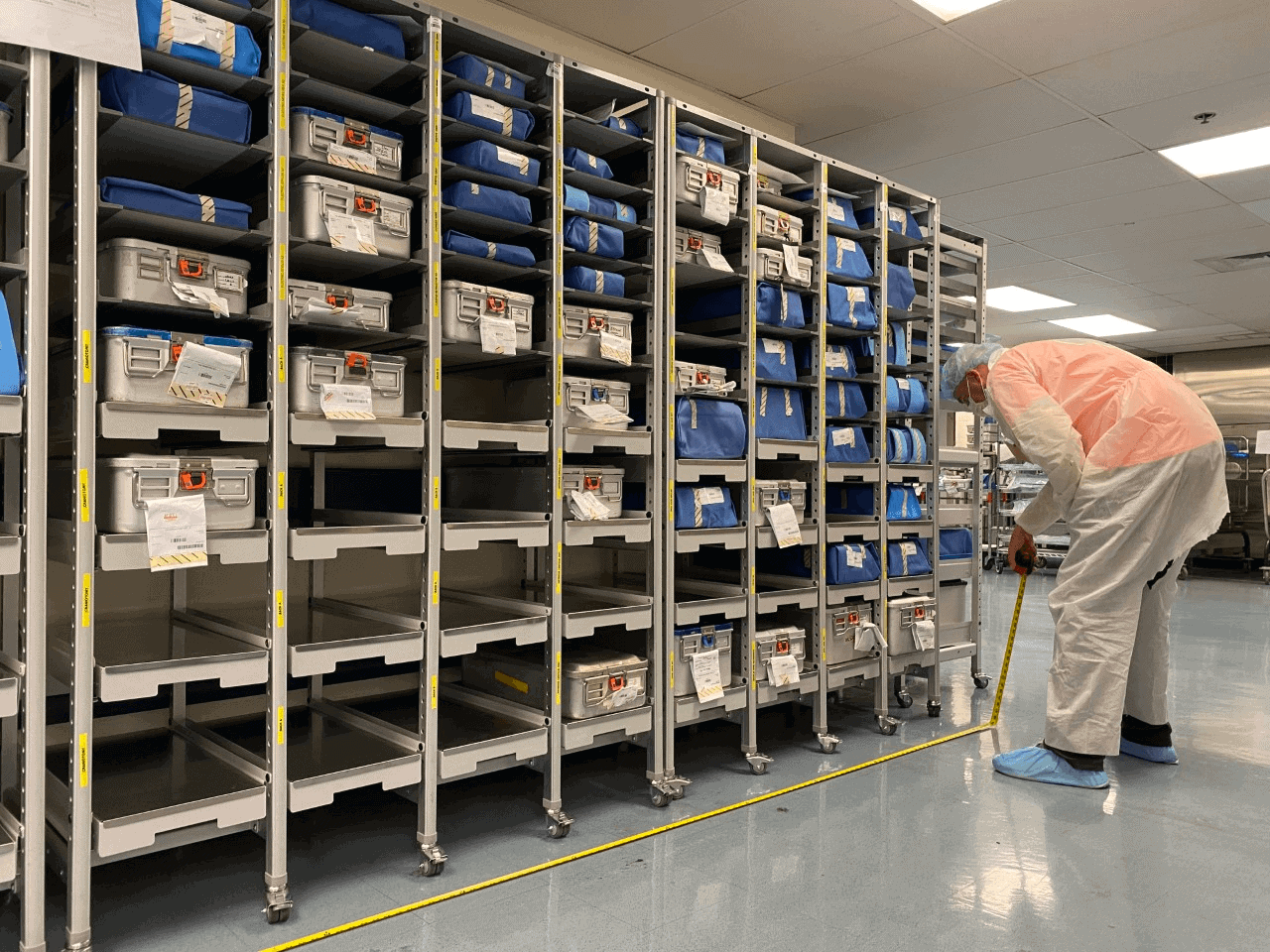
Start with a complimentary on-site storage analysis. Our team measures your space, studies how staff actually move supplies, and delivers CAD layouts plus a clear return-on-investment projection before you commit to anything. From there, we handle turnkey installation, so your new carts and storage systems are delivered, assembled, and ready for your team without disrupting daily operations.
Ready to align your cart and storage decisions with the way your facility works? Contact Distribution Systems International to schedule your free, no-obligation analysis.

With 21 years of sales management, marketing, P&L responsibility, business development, national account, and channel management responsibilities under his belt, Ian has established himself as a high achiever across multiple business functions. Ian was part of a small team who started a new business unit for Stanley Black & Decker in Asia from Y10’ to Y14’. He lived in Shanghai, China for two years, then continued to commercialize and scale the business throughout the Asia Pacific and Middle East regions for another two years (4 years of International experience). Ian played college football at the University of Colorado from 96’ to 00’. His core skills sets include; drive, strong work ethic, team player, a builder mentality with high energy, motivator with the passion, purpose, and a track record to prove it.