Medical cart selection impacts clinical workflow efficiency and patient care delivery across healthcare facilities. The global medical cart market reached $1.01 billion in 2024 with projected growth to $2.11 billion by 2030, representing a compound annual growth rate of 12.54%. Procurement decisions require systematic evaluation of cart types, vendor options, and operational requirements to optimize the total cost of ownership while meeting department-specific needs.
Medical carts are mobile storage and transport systems designed for clinical environments. These specialized healthcare equipment units deliver supplies, medications, and technology directly to patient care areas while reducing staff movement and improving operational readiness.
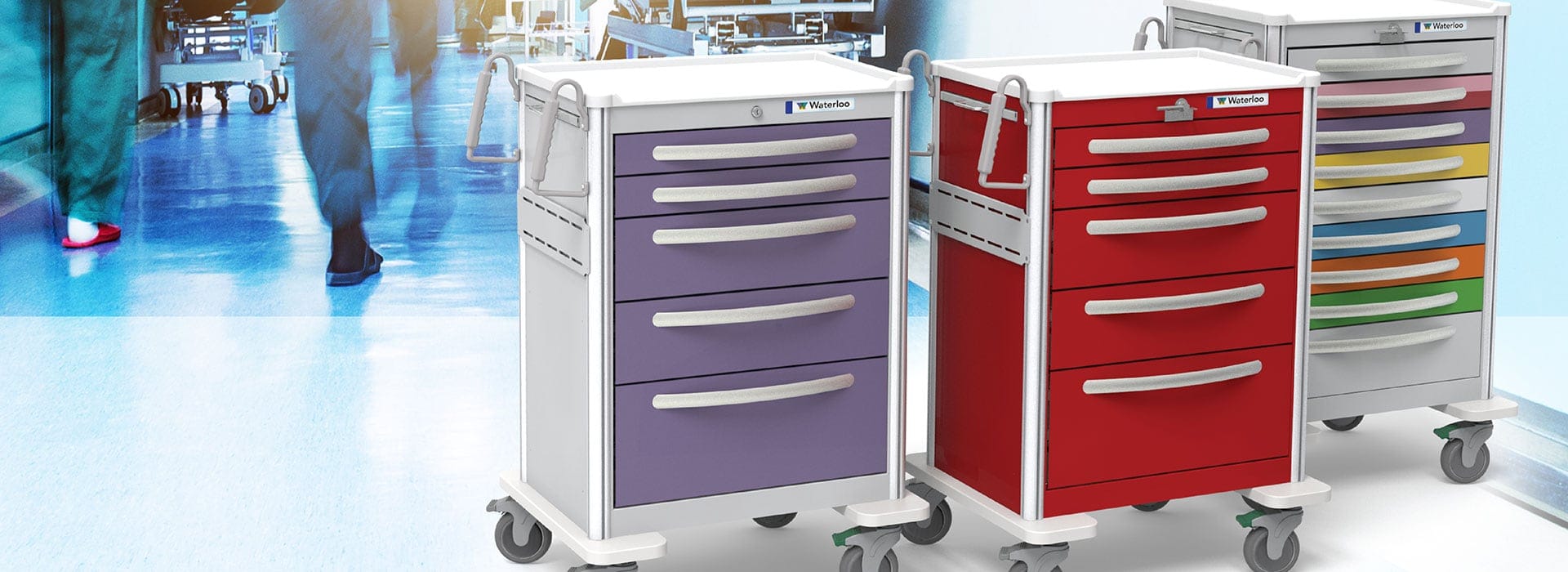
Anesthesia carts store controlled substances and specialized equipment required during surgical procedures. These units include secure locking mechanisms and organized compartments for anesthesiology departments. Procedure carts contain supplies and instruments for specific clinical interventions such as catheter insertion or wound care. Utility carts provide general-purpose transport for linens, waste containers, and miscellaneous supplies throughout healthcare facilities.
Standardized cart implementation achieves 95% operating room readiness rates across surgical departments. Clinical staff experience 50% reduction in walking distance when medical carts replace centralized supply rooms. These efficiency gains translate to more patient contact time and reduced physical strain on healthcare workers.
Feature comparison analysis evaluates 10 critical attributes rated on a 1-10 scale across six cart categories. Common features include drawer configurations, locking mechanisms, surface materials, caster specifications, and accessory mounting options. Weight capacity, power integration, and infection control surfaces vary significantly based on intended clinical application.
Six distinct cart types address specific clinical requirements in modern healthcare facilities. Each category serves unique operational needs with specialized features and pricing structures that align with departmental budgets and functional demands.
Emergency crash carts store resuscitation equipment and medications for critical care responses. These units feature color-coded drawers, defibrillator platforms, and immediate-access designs for rapid emergency interventions. Budget-tier emergency crash cart pricing ranges from $2,700 to $3,756, depending on drawer configuration and accessory packages. The Pochar medical crash cart offers modular drawer systems with antimicrobial surfaces, while the Harloff M-Series emergency cart provides hospital-grade construction with lifetime warranties.
Medication carts facilitate controlled distribution of pharmaceuticals across nursing units and patient floors. These specialized units include electronic locking systems, narcotic compartments, and documentation surfaces for medication administration records. Procedure carts contain supplies for specific clinical tasks organized by procedural requirements rather than pharmaceutical management. The SimLabSolutions medication cart incorporates adjustable dividers and RFID tracking capabilities for inventory management applications.
Mobile workstations integrate computer systems with ergonomic carts for electronic health record access at the point of care. These workstations eliminate fixed terminal dependencies and support real-time documentation during patient encounters. Premium mobile workstation pricing spans $7,000 to $10,000 or more based on technology integration, battery capacity, and ergonomic adjustability features.
Feature prioritization depends on departmental requirements and operational constraints within healthcare facilities. Medical cart selection requires balancing durability, mobility, technology integration, and cost considerations against specific clinical workflow patterns.
Durability and reliability achieve the highest buyer priority score at 95 out of 100 points. Healthcare facilities expect a minimum 10-year service life from quality cart investments. Construction materials, warranty coverage, and manufacturer reputation directly influence long-term reliability and total cost of ownership calculations.
Mobility and ergonomics score 68 out of 100 in buyer priority rankings. With the average registered nurse age reaching 43.4 years, ergonomic design reduces physical strain during cart maneuvering. Caster quality, handle height adjustability, and weight distribution affect daily usability across diverse staff populations and facility layouts.
Technology integration receives a 65 out of 100 priority score from healthcare buyers. Electronic locking systems, power management, and device mounting capabilities support modern clinical workflows. Integration requirements vary significantly between departments, with mobile workstations demanding extensive power and computing infrastructure compared to basic utility carts.
Five major manufacturers dominate the medical cart market with distinct product portfolios and pricing strategies. Vendor selection impacts product availability, customization options, and long-term support capabilities for healthcare facilities.
Capsa Healthcare commands 22% market share as the leading medical cart manufacturer. The company specializes in medication management systems and automated dispensing integration. Ergotron holds 18% market share with a focus on mobile workstation ergonomics and height-adjustable technology. Both vendors maintain national distribution networks and offer customization programs for large healthcare systems.
Harloff Manufacturing captures 15% market share through emergency and specialty cart production. Their product line emphasizes stainless steel construction and lifetime warranty programs. GCX Corporation maintains 8% market share, concentrating on mounting solutions and infection control surfaces. GCX differentiates through modular accessory systems compatible with multiple cart brands.
Customization options score 72 out of 100 in buyer priority assessments for medical cart selection. Healthcare facilities require department-specific configurations, including drawer layouts, accessory packages, and finish options. Vendor support receives 58 out of 100 priority score, reflecting the importance of installation assistance, replacement parts availability, and warranty service responsiveness across facility networks.
Systematic procurement frameworks reduce selection errors and optimize medical cart investments. A structured 12-step process guides healthcare facilities through needs assessment, vendor evaluation, and implementation planning phases.
Cost and total cost of ownership score 87 out of 100 among buyer priorities. Equipment selection criteria development requires quantifying purchase price, annual maintenance expenses, and expected service life. Decision frameworks should weigh durability, customization, and vendor support against budget constraints while maintaining minimum quality thresholds.
The 12-step procurement framework begins with departmental needs assessment and cart type identification. Subsequent phases include product gallery review, vendor shortlisting, on-site demonstrations, and reference checks from similar facilities. Final stages address contract negotiation, delivery scheduling, and staff training coordination before implementation.
Total cost of ownership includes purchase price, annual maintenance fees, and replacement cycle duration. Analysis spans 18 pricing tiers across six cart categories with three quality levels per category. Budget-tier utility carts may cost $800-$1,200 initially but require replacement after 5-7 years, while premium units priced at $2,000-$3,000 deliver 10-15 year service life with lower annual maintenance requirements.
Hospital-wide standardization creates measurable operational improvements through equipment consistency and streamlined workflows. Implementation frameworks address multidisciplinary team coordination, phased deployment strategies, and barrier mitigation protocols.
Standardized cart configurations deliver 80% reduction in medication discrepancies across nursing units. Training time decreases 65% when staff encounter consistent equipment regardless of department or shift. Maintenance costs decline 55% through bulk purchasing, standardized parts inventory, and simplified repair protocols. Large hospitals achieve 87% standardization adoption rates compared to 48% adoption among smaller facilities with limited capital budgets.
A six-phase implementation framework begins with multidisciplinary team formation, including nursing leadership, materials management, and clinical department representatives. The three-phase standardization process encompasses assessment, selection, and deployment stages with defined decision criteria at each phase. Phased rollout strategies prioritize high-impact departments before facility-wide expansion while establishing key performance indicators to measure success metrics, including cart utilization rates, maintenance frequency, and staff satisfaction scores.
Departmental resistance stems from perceived loss of autonomy over equipment specifications and workflow preferences. Mitigation strategies include early stakeholder engagement, pilot programs demonstrating standardization benefits, and preservation of department-specific customization within standardized platforms. Budget constraints require phased implementation over multiple fiscal years with contracts structured for volume discounts and extended payment terms.
Market dynamics reflect growing mobile workstation demand and technology integration across all cart categories. Regional adoption patterns and facility characteristics influence growth trajectories through 2030.
Mobile workstations dominate the 2024 market share at 72.38%, driven by electronic health record implementation mandates. Emergency crash carts capture 40.53% market share, serving critical care departments. The medical cart market projects expansion from $1.01 billion in 2024 to $2.11 billion by 2030 at 12.54% compound annual growth rate. Procedure carts demonstrate the fastest category growth at 18.2% annually as ambulatory surgery centers proliferate.
Antimicrobial surface coatings integrate copper and silver compounds, reducing pathogen transmission on high-touch surfaces. Battery technology advances extend mobile workstation runtime to 12-16 hours between charges. RFID and IoT sensors enable real-time cart location tracking and automated inventory management. Modular accessory systems like Modu-Case and Modu-Stor-CTS allow rapid reconfiguration, matching evolving clinical requirements without complete cart replacement.
Urban facilities demonstrate 92% electronic health record adoption, driving mobile workstation demand. Rural hospitals achieve 75% EHR adoption with slower technology infrastructure investment. Geographic variations affect vendor distribution networks, maintenance service availability, and regional pricing strategies. Critical access hospitals prioritize multi-function cart types over specialized units due to budget constraints and space limitations.
Successful medical cart selection balances clinical requirements, vendor capabilities, and financial constraints through systematic evaluation. Facilities implementing standardization frameworks achieve superior operational outcomes, including reduced medication errors, shorter staff training periods, and lower maintenance expenditures. Market trends toward technology integration and ergonomic design continue to reshape product specifications across all cart categories.
Healthcare organizations benefit from comprehensive solutions addressing storage optimization, workflow efficiency, and infection control protocols. DSIDirect brings 30 years of acute care facility expertise, supporting materials management directors and supply chain leaders nationwide through data-driven consultation and turnkey implementation services designed to maximize operational efficiency and measurable cost savings.
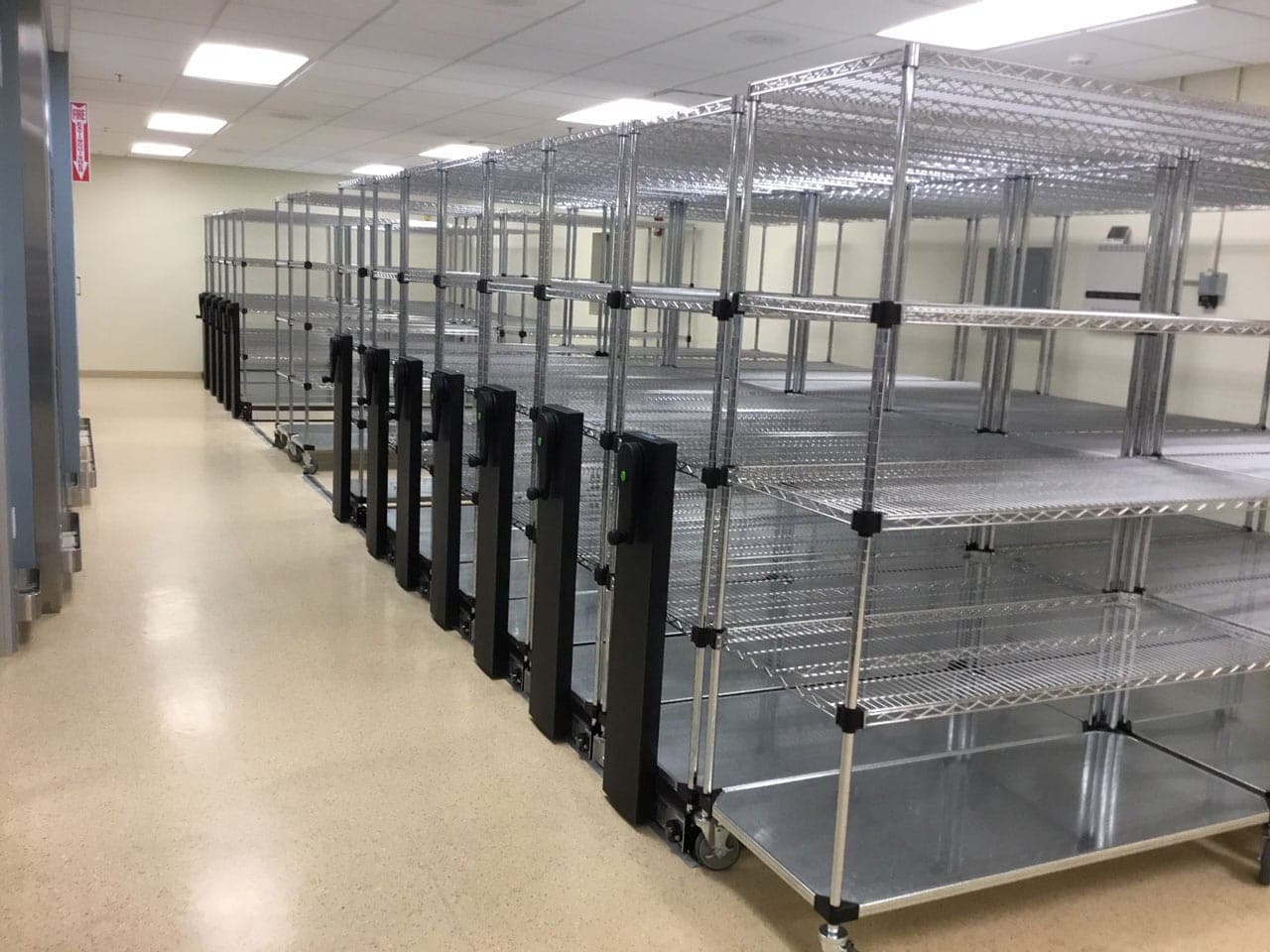
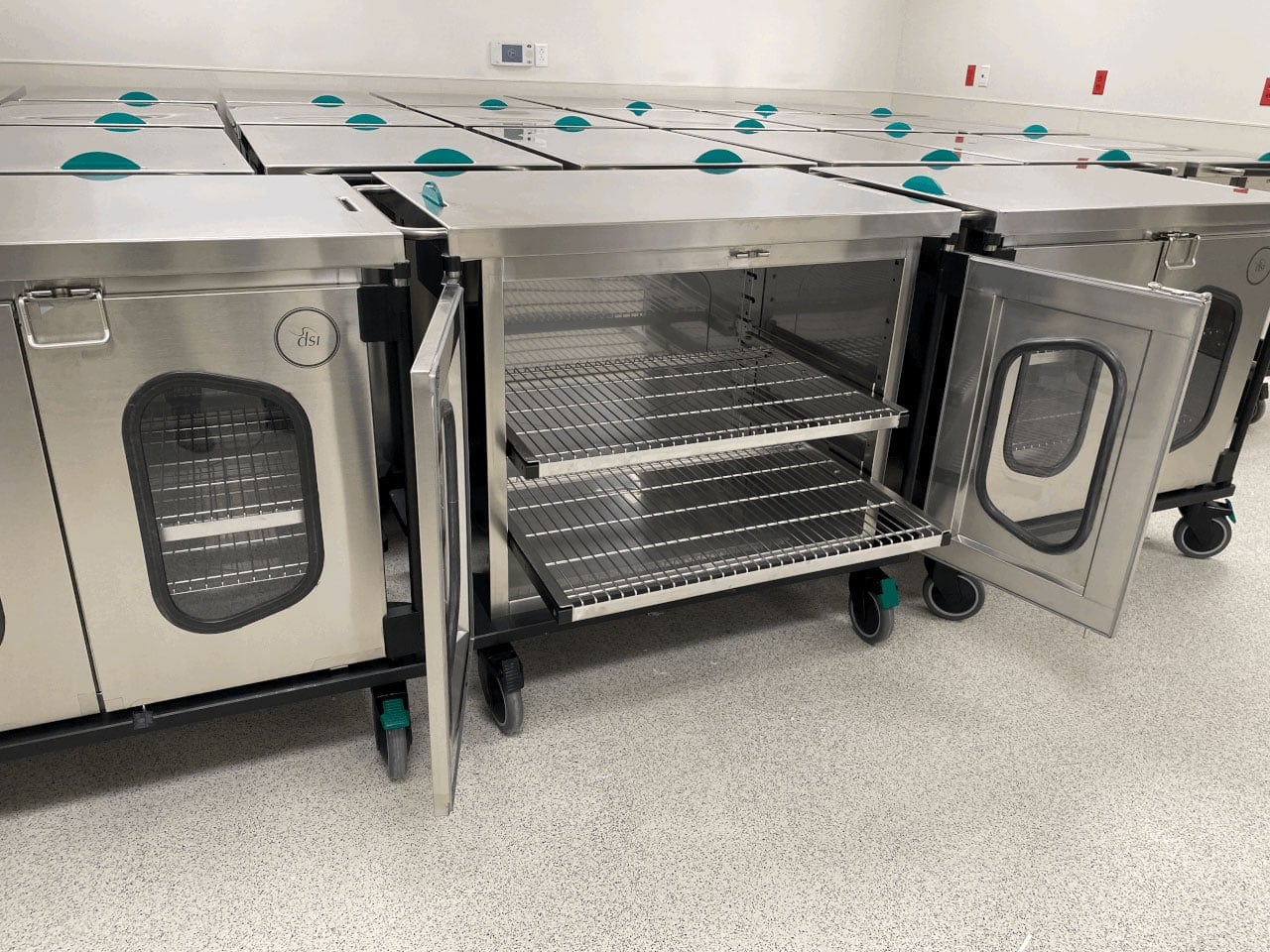
Choosing the right medical carts is one decision within a much larger supply and storage strategy. Distribution Systems International has helped acute care facilities solve that full picture since 1990, applying LEAN inventory management to cut waste, recover clinical hours, and protect compliance across the SPD, OR, and materials management.
It starts with a complimentary on-site storage analysis. Our team measures your space, studies your workflow, and delivers architectural CAD layouts with clear ROI projections before you commit to anything. From there, a full turnkey installation means Distribution Systems International handles delivery, assembly, and inventory transfer, so your staff stays focused on patient care instead of logistics.
Ready to move from cart selection to a connected storage system that performs? Contact Distribution Systems International today for your free, no-obligation storage analysis.

With 21 years of sales management, marketing, P&L responsibility, business development, national account, and channel management responsibilities under his belt, Ian has established himself as a high achiever across multiple business functions. Ian was part of a small team who started a new business unit for Stanley Black & Decker in Asia from Y10’ to Y14’. He lived in Shanghai, China for two years, then continued to commercialize and scale the business throughout the Asia Pacific and Middle East regions for another two years (4 years of International experience). Ian played college football at the University of Colorado from 96’ to 00’. His core skills sets include; drive, strong work ethic, team player, a builder mentality with high energy, motivator with the passion, purpose, and a track record to prove it.