Medical cart pricing varies significantly based on type, materials, and integrated technology systems. General supply carts start at $800, while advanced mobile computing carts can exceed $8,000 for premium configurations.
Healthcare facilities must evaluate both initial purchase costs and long-term operational expenses when selecting appropriate cart types. This comprehensive cost guide examines pricing across all major categories with detailed feature comparisons for informed budgeting decisions.
Medical carts are mobile storage and transport systems designed to organize supplies, medications, and equipment at point-of-care locations. These specialized units improve workflow efficiency by reducing the time staff spend searching for necessary items during procedures.
Healthcare facilities deploy medical carts throughout emergency departments, operating rooms, patient floors, and procedural areas. The cart types selected depend on clinical requirements, inventory management systems, and specific departmental workflows.
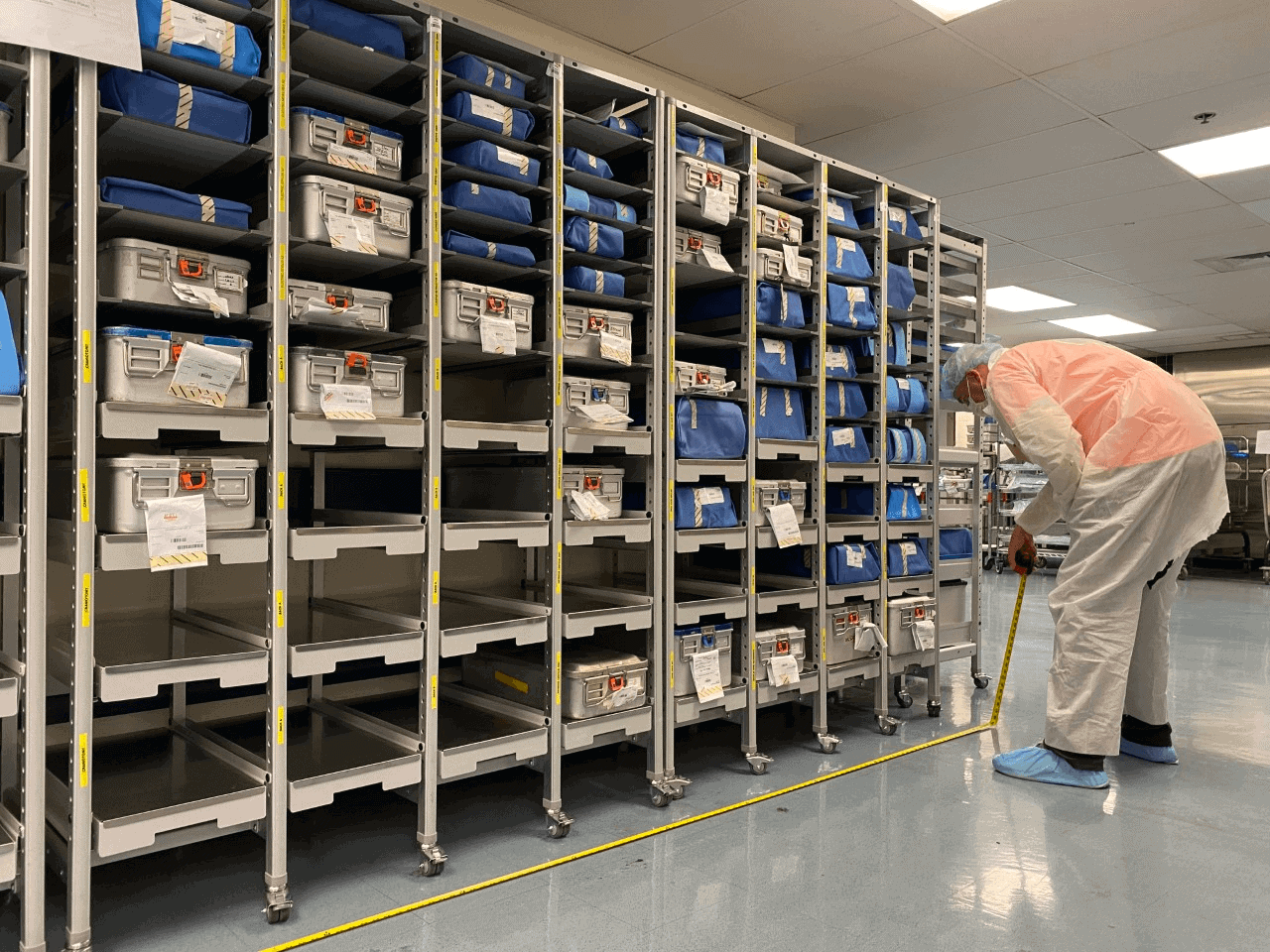
Aluminum construction provides lightweight mobility ideal for carts requiring frequent movement across multiple departments. Stainless steel serves as the standard material for surgical and anesthesia applications due to its exceptional durability.
ABS plastic and polymer surfaces offer smooth, easy-to-clean characteristics at lower cost points than metal alternatives. However, cracked plastic components may harbor pathogens, while stainless steel service life often exceeds 15 years.
PAR-level systems maintain Periodic Automatic Replacement inventory levels at specific storage locations through manual counts or RFID tracking. Staff monitor supplies and trigger restocking alerts when quantities drop below predetermined threshold levels.
Exchange cart systems utilize two identical carts per designated area for continuous supply availability. While one cart remains in use on the floor, a second cart undergoes restocking in the central supply area.
Workstations on Wheels (WOWs) represent another designation for mobile computing carts used for electronic health record access. Emergency carts, also known as crash carts, store critical life-saving equipment and medications for rapid response situations.
Additional specialized categories include anesthesia carts, medication distribution carts, and general procedure supply carts. Each type addresses specific clinical workflows with customized drawer configurations and security features.
Healthcare facilities prioritize features that reduce the total cost of ownership while meeting clinical workflow requirements and regulatory standards. Material durability, ergonomic design, and infection control capabilities directly impact purchasing decisions across all facility sizes.
Procurement teams evaluate medical cart pricing alongside maintenance costs and expected service life for comprehensive budget planning. Technology integration capabilities increasingly influence selection criteria as facilities expand electronic documentation and automated inventory tracking systems.
Total Cost of Ownership (TCO) calculations combine initial purchase price with maintenance costs and expected service life projections. Stainless steel carts command higher upfront costs but deliver 15+ year lifespans with minimal maintenance requirements.
Aluminum and polymer alternatives reduce initial capital expenditure while potentially increasing replacement frequency over extended operational periods. Facilities with tight budget constraints often select durable mid-range options that balance cost with longevity.
Large-diameter casters and lightweight construction enable staff to navigate crowded corridors and patient rooms with reduced physical effort. Ergonomic handle designs and appropriate cart heights minimize musculoskeletal injury risks associated with frequent equipment transport.
Facilities prioritize maneuverability features that allow single-person cart operation without requiring excessive force or awkward positioning. Weight distribution and wheel quality directly affect daily staff productivity and long-term workplace safety outcomes.
Non-porous surfaces with minimal seams prevent bacterial colonization and facilitate thorough disinfection between patient care episodes. Antimicrobial coatings and seamless construction methods have gained importance following increased emphasis on hospital-acquired infection prevention.
Facilities now specify carts that withstand harsh chemical disinfectants without surface degradation or material breakdown. Infection control compliance directly impacts patient safety metrics and regulatory accreditation status for acute care organizations.
North America accounts for 40.87% to 46.45% of the global revenue share in 2024 and 2025. The United States represents over 81% of the North American market share, driven by large-scale hospital system investments.
The global medical carts market was valued at USD 3.55 billion in 2024, with projections reaching USD 15.66–17.21 billion by 2034. Asia Pacific is expected to register the fastest growth rate at 18.3% CAGR due to expanding healthcare infrastructure.
Over 21.3% of the EU population was aged 65 and over as of 2023, with continued demographic shifts anticipated. The number of persons aged 65 and over is projected to more than double by 2050.
Aging populations correlate with increased hospitalization rates and higher prevalence of chronic conditions requiring extended medical interventions. This demographic trend directly drives demand for efficient supply management systems and mobile equipment throughout healthcare facilities.
Urban facilities demonstrate higher adoption rates for advanced, technology-integrated carts, including telemedicine and automated medication dispensing systems. Rural facilities prioritize durability, cost-effectiveness, and multi-functional carts that serve multiple departmental purposes simultaneously.
Rural hospitals face tighter budget constraints and lower provider density, requiring versatile equipment investments. However, telemedicine cart adoption is accelerating in rural settings to expand specialist access through remote consultation capabilities.
Large urban hospitals invest heavily in specialized cart types tailored to specific departments with advanced technology integration. Smaller community hospitals favor versatile carts that serve multiple functions across various clinical areas.
Facility size directly correlates with capital equipment budgets and willingness to invest in premium features. Critical access hospitals often prioritize fundamental mobile storage solutions over advanced computing or automated tracking systems.
These three specialized cart categories command premium pricing due to complex features and stringent regulatory compliance requirements. Each type addresses distinct clinical workflows with customized drawer configurations, locking mechanisms, and material specifications.
Cost variations reflect the integration of advanced technology, security systems, and specialized construction methods required for specific applications. Understanding these differences helps facilities allocate healthcare equipment costs appropriately across departmental budgets.
Emergency carts cost $1,500–$5,000+, depending on drawer configuration, locking systems, and integrated equipment mounting capabilities. These units feature breakaway locks, defibrillator platforms, oxygen tank holders, and CPR board storage compartments.
Aluminum or steel frames with ABS components provide durability while maintaining maneuverability during critical response situations. Emergency carts can be heavy when fully loaded with medications, supplies, and mounted equipment.
Mobile computing and telemedicine carts range from $3,000–$8,000+, with pricing driven by integrated power systems and technology specifications. These workstations incorporate hot-swappable batteries, adjustable monitor mounts, keyboard trays, and secure CPU storage compartments.
Mobile computing carts require significant initial investment and have high maintenance costs, especially for power management systems. Lightweight aluminum construction facilitates frequent movement between patient rooms for electronic health record documentation and telemedicine consultations.
Anesthesia carts cost $2,500–$6,000+ with pricing reflecting dual-locking security for controlled substances and specialized drawer configurations. Stainless steel or heavy-duty aluminum construction provides the load capacity required for multiple medication trays and supplies.
These carts are high-cost and heavy due to reinforced construction and complex security systems. Multiple specialized drawer sizes accommodate varied syringe dimensions, ampule storage, and emergency medication organization protocols.
Medication carts incorporate sophisticated locking mechanisms and patient-specific drawer configurations, while general supply carts emphasize open storage accessibility. This fundamental difference drives significant cost variations between the two categories despite similar overall dimensions.
Security requirements for medication storage necessitate electronic locks and tracking systems that increase both purchase price and maintenance expenses. General supply carts prioritize high-capacity storage with modular organization systems at lower cost points.
Medication carts cost $2,000–$5,000+ with individualized locking drawers, barcode scanner integration, and electronic access control systems. These units ensure medication safety through patient-specific dispensing protocols that prevent administration errors.
Complex locking systems require ongoing maintenance and occasional electronic component replacement throughout the cart's operational life. Modu-Cell and similar modular drawer systems provide flexible configurations for varied medication storage requirements.
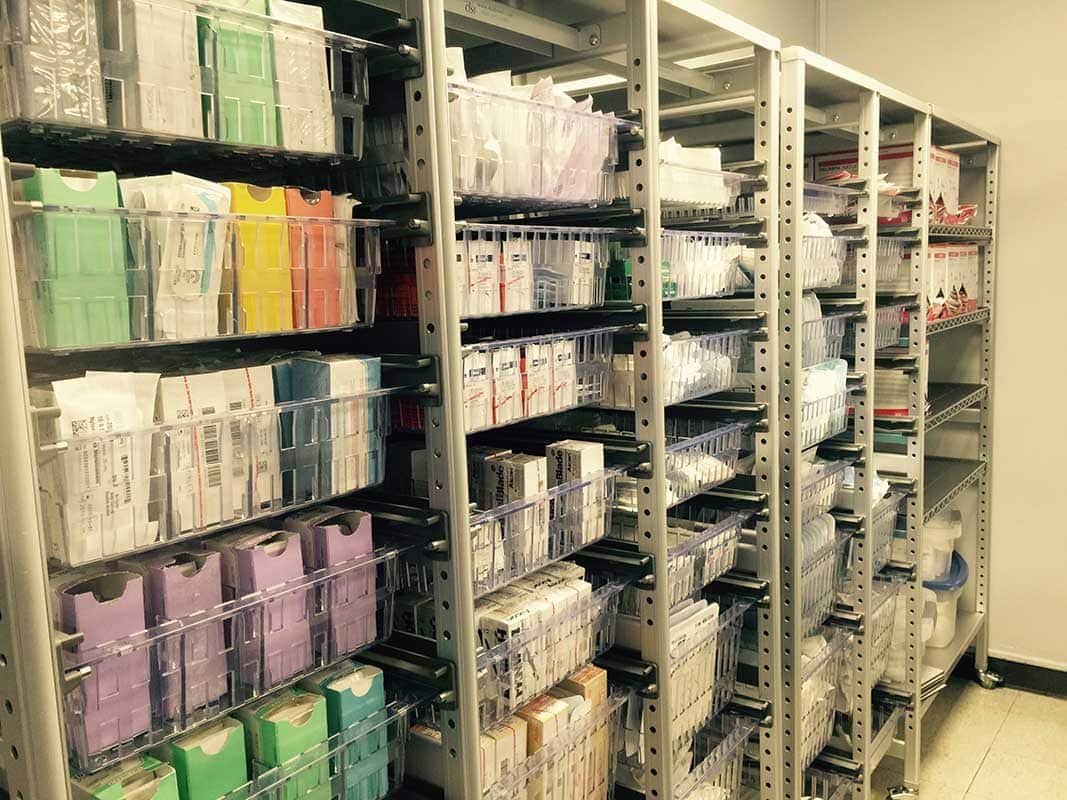
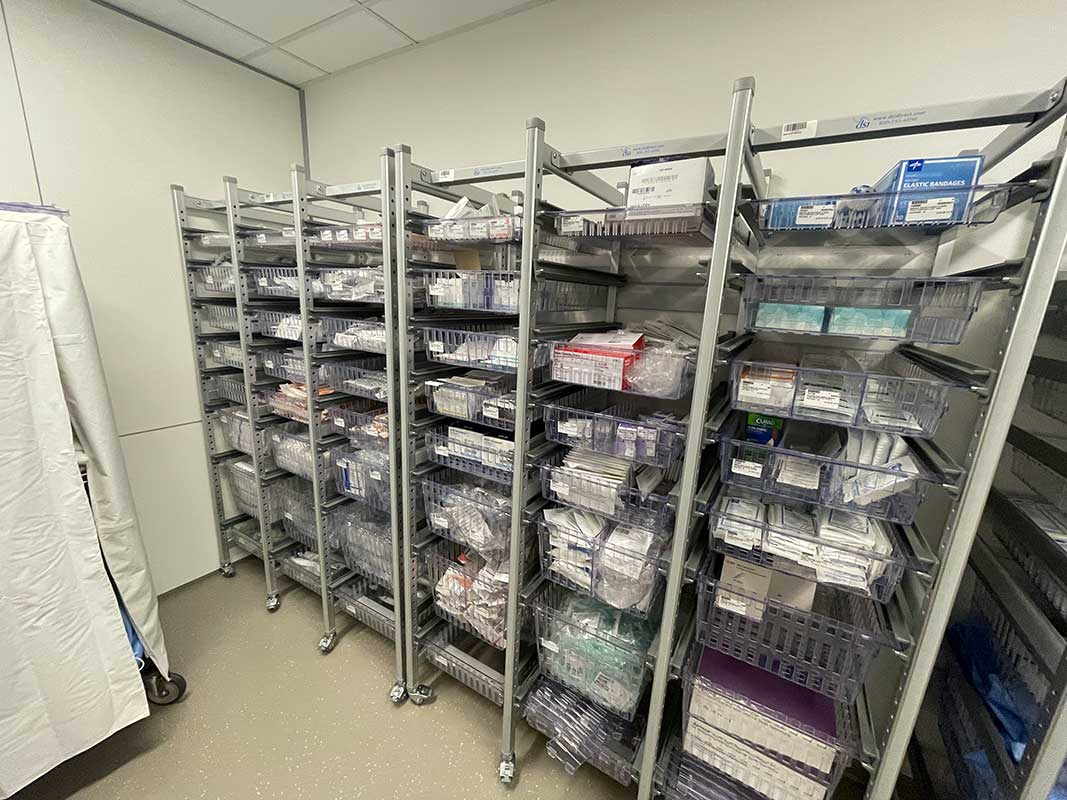
General supply and procedure carts range from $800–$3,000+ depending on capacity, material construction, and organizational features. These versatile units provide open or closed shelving with high-capacity storage for frequently accessed clinical supplies.
Wire shelving, polymer construction, and aluminum frames offer cost-effective solutions for non-regulated supply distribution throughout healthcare facilities. Exchange cart systems frequently utilize these units to maintain consistent PAR levels across multiple departments.
Medical cart pricing spans three distinct tiers reflecting material quality, technology integration, and manufacturing specifications. Budget, mid-range, and premium categories each serve different facility needs and capital equipment budgeting constraints.
Understanding tier distinctions helps procurement teams match cart types with specific departmental requirements and available funding. Cost guide analysis reveals that feature selection drives greater price variation than brand reputation alone.
Budget-tier carts utilize basic steel or ABS plastic construction with manual lock mechanisms and standard caster wheels. These units cost $800–$2,000 and serve general utility purposes in smaller clinics and non-acute care settings.
Simple drawer configurations without specialized organizational inserts characterize this category, focused on essential mobility and storage functions. Basic infection control compliance meets minimum standards without advanced antimicrobial coatings or seamless construction methods.
Mid-range carts cost $2,000–$4,000 and feature aluminum construction, basic electronic locks, and ergonomic handle designs. These units represent the standard for most acute care settings, balancing quality with reasonable budgeting constraints.
Peripheral integration capabilities allow connection to barcode scanners and basic inventory tracking systems without full automation. Stainless steel products in this tier provide enhanced durability for surgical and sterile processing applications.
Premium carts exceed $4,000 with advanced technology integration, including smart locking, automated inventory tracking, and IoT connectivity. High-grade stainless steel, specialized power systems for computing applications, and extensive customization options characterize this tier.
Modu-Max and similar premium solutions deliver maximum storage density with sophisticated organizational systems. These units justify higher costs through extended service life, reduced maintenance frequency, and enhanced workflow efficiency gains.
Five major manufacturers dominate the global market through specialized product portfolios and established distribution networks. Ergotron leads mobile computing and telemedicine carts while Harloff specializes in emergency, medication, and anesthesia applications.
TouchPoint Medical focuses on intelligent medication dispensing and advanced computing carts with integrated software platforms. Metro provides supply distribution and specialized procedure carts utilizing polymer and wire shelving innovations.
Ergotron maintains a dominant market position in mobile computing and telemedicine carts through ergonomic designs and advanced power systems. Harloff serves as a leading manufacturer of emergency, medication, and anesthesia carts, recognized for durable construction.
TouchPoint Medical specializes in intelligent medication dispensing and advanced computing carts with seamless EHR integration capabilities. Metro (InterMetro Industries) represents a major provider of supply distribution and specialized procedure carts across acute care facilities.
Procurement leaders now prioritize sustainability with 96% emphasizing recyclable materials and extended product lifecycles in purchasing criteria. The global medical carts market projects 15.40% CAGR growth from 2026 to 2034, driven by technology adoption.
Value-based procurement emphasizes real-world evidence of total cost savings rather than the lowest initial purchase price alone. Supply chain resilience gained importance following recent disruptions, with buyers preferring reliable domestic manufacturers and long-term partnership agreements.
IoT capabilities, automated inventory tracking, and ERP system integration increasingly influence selection criteria across all cart categories. Facilities invest in Modu-Case and similar intelligent systems that provide real-time supply visibility and usage analytics.
Technology-enabled carts reduce manual inventory counting labor while improving PAR level accuracy and stockout prevention. Electronic integration costs add $500–$2,000 per unit but deliver measurable returns through reduced carrying costs and eliminated waste.
Medical cart pricing reflects the balance between clinical requirements, material specifications, and integrated technology across all major categories. Emergency carts range $1,500–$5,000+, medication carts $2,000–$5,000+, anesthesia carts $2,500–$6,000+, and mobile computing carts $3,000–$8,000+.
General supply and procedure carts offer the most budget-friendly options at $800–$3,000+ while providing versatile storage solutions. Material selection between aluminum, stainless steel, and polymer construction significantly impacts both initial costs and long-term durability.
Healthcare facilities must evaluate cart types against specific departmental workflows and inventory management systems for optimal selection. Modu-Stor configurations and similar modular approaches provide a flexible organization that adapts to changing clinical protocols over time.
Technology integration adds substantial cost but delivers measurable returns through improved efficiency, reduced errors, and enhanced inventory visibility. Premium features justify higher investment when total cost of ownership calculations account for extended service life and reduced maintenance requirements.
Successful procurement strategies align cart types with facility size, clinical volume, and available capital budgets across all departments. Organizations like DSIDirect provide consultative expertise to help facilities optimize equipment investments through data-driven ROI projections.
Healthcare systems should request detailed solutions analysis comparing feature sets across pricing tiers before finalizing purchasing decisions. Strategic equipment selection reduces operational costs while improving patient care delivery and staff workflow efficiency.
Choosing the right medical carts comes down to the total cost of ownership, not the lowest sticker price. Distribution Systems International has helped acute care facilities optimize storage and supply investments since 1990, using a LEAN, data-driven approach that connects equipment decisions to measurable savings in inventory, labor, and space.
Start with a complimentary on-site storage analysis. Our team measures your current workflows, PAR levels, and space, then delivers architectural CAD layouts and a clear ROI projection so you can compare cart types and configurations with real numbers behind them. From there, we manage full turnkey installation, including delivery, assembly, inventory transfer, and after-sales support, so your staff can stay focused on patient care.
Ready to see where your facility can cut costs and improve point-of-care efficiency? Contact Distribution Systems International today for your free, no-obligation storage and cart analysis.

With 21 years of sales management, marketing, P&L responsibility, business development, national account, and channel management responsibilities under his belt, Ian has established himself as a high achiever across multiple business functions. Ian was part of a small team who started a new business unit for Stanley Black & Decker in Asia from Y10’ to Y14’. He lived in Shanghai, China for two years, then continued to commercialize and scale the business throughout the Asia Pacific and Middle East regions for another two years (4 years of International experience). Ian played college football at the University of Colorado from 96’ to 00’. His core skills sets include; drive, strong work ethic, team player, a builder mentality with high energy, motivator with the passion, purpose, and a track record to prove it.