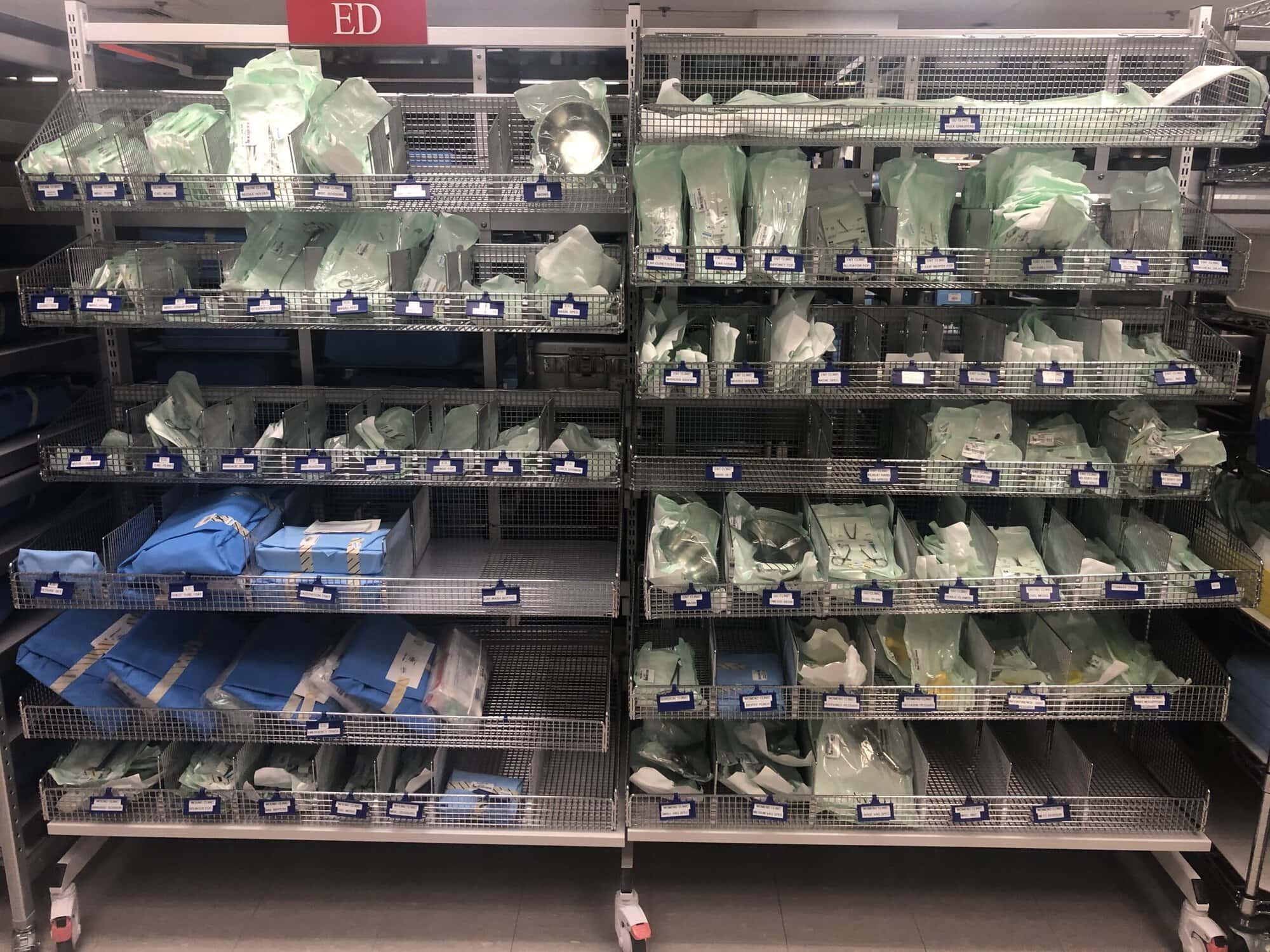
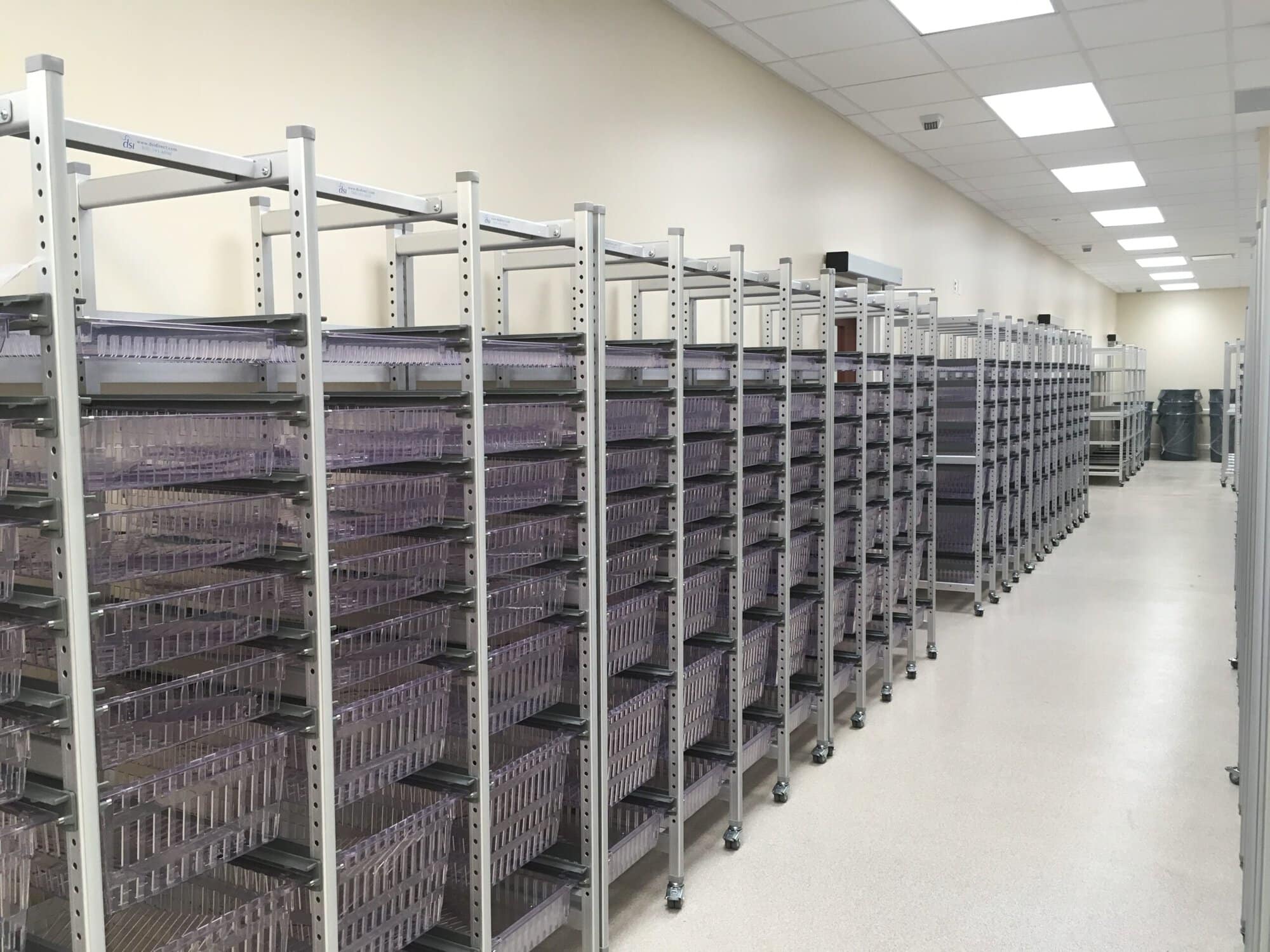
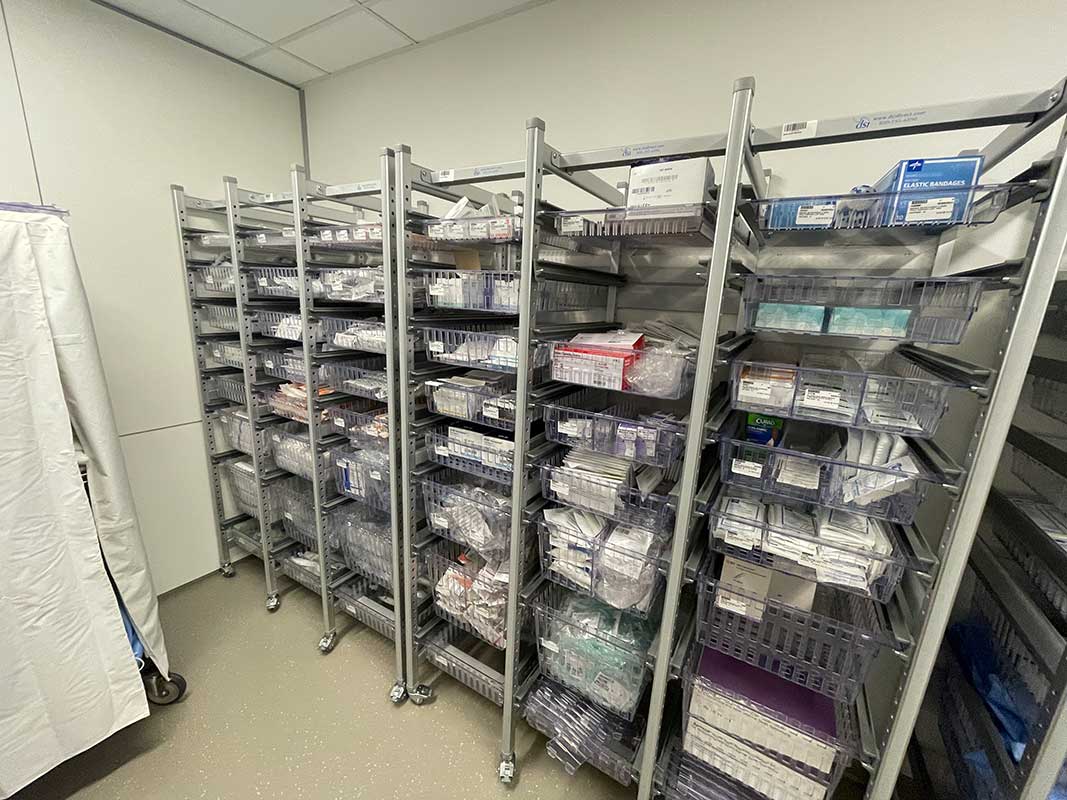
The rise of robotic surgery has created new storage challenges in operating rooms and sterile processing departments. Facilities must choose between modular systems offering flexibility and dedicated cabinets designed specifically for robotic accessories. Understanding functional requirements, material considerations, and workflow implications helps surgical teams select storage systems that protect equipment while supporting efficient perioperative processes.
Storage decisions directly affect infection control, procedure turnover time, and equipment protection. The choice between modular design and dedicated storage depends on robotic case volume, available floor space, renovation plans, and the facility's commitment to expanding surgical capabilities. Matching storage strategy to operational needs requires evaluating cleanability, durability, adaptability, and total cost of ownership rather than focusing solely on initial purchase price.
Robotic surgery storage must protect expensive instruments while supporting strict infection-control protocols and efficient workflow. Primary functions include secure equipment containment, contamination prevention, accessibility during setup and turnover, and integration with sterile processing workflows. Storage systems serve as critical infrastructure connecting instrument decontamination, assembly, transport, and point-of-use staging.
Requirements extend beyond simple shelving to include environmental controls, power integration, and physical separation of clean and soiled pathways. Effective storage supports unidirectional flow from receiving through dispatch while maintaining clear boundaries between contaminated and sterile zones. Storage capacity must align with the operating rooms served and the daily procedure mix.
Infection control ranks as the highest priority, with 75% of healthcare facility managers rating it most significant. Storage design must address cleanability, contamination control, and endurance under repeated chemical disinfection and moisture exposure. Surfaces should meet storage standards that resist microbial growth, prevent dust accumulation, and withstand daily cleaning protocols without degrading or harboring pathogens in joints or seams.
Contamination control failures occur when storage layouts allow cross-contamination between soiled and sterile areas or when materials cannot tolerate aggressive cleaning. Physically separate clean and soiled areas by using dedicated cabinets, zoned layouts, and modular casework configurations that support strict workflow segregation.
Durability ranks second among decision criteria, with 54.84% of respondents rating it most significant. Material selection determines cabinet resistance to impact, corrosion, moisture damage, and structural fatigue over years of continuous use. Stainless steel offers superior longevity due to its corrosion resistance and ability to maintain structural integrity under heavy loads.
Construction quality affects lifecycle value more than initial cost. Welded stainless-steel bodies, tempered glass doors, sloped tops, and steel hinges create storage systems that endure decades without rust, warping, or joint failure. Investing in durable materials reduces replacement cycles and minimizes downtime during critical surgical schedules.
Workflow efficiency directly affects procedure turnover time, staff productivity, and OR utilization rates. Storage location, accessibility, and organization determine how quickly teams can retrieve instruments, prepare robotic towers, and stage accessories. Poor storage design contributes to delays, motion waste, and staff frustration.
Maintain unidirectional flow from soiled arrival to sterile distribution by positioning storage at strategic points along the perioperative pathway. Major disruption factors include equipment clutter, cords blocking circulation paths, and a lack of space during robotic procedures. Proper storage eliminates these barriers by providing dedicated zones for towers, instrument trays, and cables.
Modular and dedicated storage systems represent fundamentally different approaches. Modular systems prioritize flexibility and reconfiguration across multiple procedure types, while dedicated systems optimize storage for specific robotic platforms. The distinction affects installation cost, lifecycle adaptability, and how well storage aligns with current and future surgical service lines.
Modular solutions excel in environments with changing service mixes or phased renovation projects. Dedicated robotic cabinets deliver specialized features that protect sensitive equipment and support high-volume programs with consistent accessory requirements.
Modular casework systems offer reconfigurable storage with lower installation costs compared to fixed built-in cabinetry. These systems use standardized cabinet modules that can be rearranged, expanded, or relocated as surgical programs evolve. Modular cell storage allows facilities to reposition adjustable shelves and adjust interior configurations without replacing entire cabinet runs or undertaking major construction.
Key benefits include flexibility during renovation, shorter depreciation horizons, and the ability to standardize storage across multiple departments. Modular designs accommodate different materials, including stainless steel, aluminum-clad panels, and laminate surfaces, depending on clinical intensity and budget constraints.
Dedicated robotic storage cabinets provide equipment-specific storage with HEPA-filtered air, hospital-grade power outlets, and structural support for robotic towers. These purpose-built units address unique requirements by integrating environmental controls, cable management, and interior layouts designed for specific instrument sets. Features include HEPA-filtered air circulation, powered outlets for charging, drip trays for moisture control, and reinforced shelving for heavy components.
Robotic storage cabinet pricing typically ranges from budget models at $4,900 through mid-tier options at $5,900 to premium configurations exceeding $6,900. Higher-end models include enhanced filtration systems, glass doors for inventory visibility, and customized interior accessories that protect delicate optics and articulating instruments.
Modular storage emphasizes adaptability across changing surgical needs, while dedicated robotic storage optimizes fit for specific equipment and workflows. Modular systems excel when facilities serve diverse procedure types, anticipate service-line changes, or operate in space-constrained environments requiring frequent reconfigurations. Modular storage solutions allow surgical teams to adjust capacity and layout without major capital investment or construction disruption.
Dedicated storage delivers superior organization and equipment protection for mature robotic programs with consistent high volume. Facilities performing multiple robotic cases daily benefit from specialized interiors, powered features, and environmental controls that generic cabinets cannot provide.
The decision hinges on operational and strategic factors. Robotic case volume, service-line stability, renovation plans, and available floor space all influence which storage approach delivers better long-term value. Selection criteria must balance immediate functional needs against future flexibility and total cost of ownership.
Robotic surgery adoption increased dramatically from 1.8% of general surgery procedures in 2012 to 15.1% in 2018. During the same period, surgeons performing robotic surgery grew from 8.7% to 35.1% across a cohort of 73 hospitals. This rapid adoption creates corresponding demand for specialized storage.
Low-volume programs with fewer than three robotic cases weekly may find modular systems sufficient while preserving flexibility for future growth. High-volume programs performing robotic surgery daily across multiple specialties justify dedicated cabinets that optimize workflow and protect substantial equipment investments.
Renovation timing and scope significantly affect storage selection. Facilities planning major construction or service-line expansions within three to five years should prioritize modular storage systems that can be relocated, reconfigured, or expanded without loss of capital investment. Short depreciation horizons and lower installation costs make modular casework attractive during periods of operational uncertainty.
Stable facilities with completed construction and mature service lines benefit more from dedicated installations that maximize capacity and workflow optimization. Storage decisions should align with strategic plans for robotic program growth, changes in surgical service mix, and anticipated equipment purchases.
Lack of space ranks among the top contributors to flow disruptions during robotic procedures alongside equipment clutter and cable management challenges. Facilities operating in limited square footage must prioritize storage density, vertical utilization, and point-of-use positioning. Size sterile-durables storage based on ORs and procedure rooms served, rather than using generic square-footage ratios.
Wall-mounted cabinets and compact mobile units deliver better space efficiency than large floor-standing installations in constrained environments. Stainless steel storage options include vertical designs that maximize cubic capacity without expanding the footprint. Modular systems also support creative space utilization by allowing mixed cabinet heights and configurations that fit irregular architectural layouts.
Material selection directly affects infection control, durability, maintenance burden, and lifecycle cost. The choice between stainless steel, aluminum, and composite materials determines how well cabinets withstand daily cleaning protocols, resist corrosion, and maintain structural integrity. Material decisions should align with clinical intensity, budget constraints, and facility standards for sterile processing and OR support infrastructure.
Stainless steel offers corrosion resistance, ease of sterilization, long life expectancy, and superior durability compared to other cabinet materials. These characteristics make stainless steel the dominant choice in operating rooms, sterile processing departments, and robotic surgery support areas where contamination control and structural robustness are non-negotiable. Stainless steel withstands repeated exposure to harsh cleaning chemicals, moisture, and physical impact without degrading or harboring pathogens.
Construction features, including welded stainless-steel body panels, tempered glass doors, sloped tops that prevent dust accumulation, and stainless steel hinges, create cabinets that deliver decades of reliable service. The material's non-porous surface prevents microbial colonization and simplifies compliance with strict cleaning protocols.
Aluminum offers lighter weight and easier handling compared to stainless steel, making it attractive for mobile applications and reconfigurable systems. Aluminum-clad modular casework combines the handling advantages of aluminum frames with moisture-resistant panels and flexible interior configurations. These systems work well in facilities prioritizing adaptability, phased installations, or applications where structural weight creates installation or relocation challenges.
Aluminum construction reduces costs in lower-intensity environments where extreme durability and maximum corrosion resistance are less critical. However, aluminum's lower impact resistance and reduced structural strength make it less suitable for heavy-duty applications involving frequent equipment contact or high-cycle door operation.
Material selection determines cabinet's ability to withstand aggressive cleaning protocols without surface degradation, joint separation, or finish failure. Welded stainless-steel body construction eliminates crevices and gaps where microorganisms can hide between cleaning cycles. Tempered glass provides visibility while resisting cracks and scratches that compromise cleanability.
Sloped cabinet tops prevent dust and debris accumulation by eliminating horizontal surfaces where contaminants can settle. Steel hinges and latches maintain alignment and function through thousands of open-close cycles without loosening or creating gaps that harbor pathogens.
Facility layout and perioperative workflow patterns determine optimal storage location, cabinet type, and access configuration. Storage must integrate with physical architecture while supporting unidirectional flow from contaminated receiving through sterile dispatch. Specialized scope storage and robotic cabinets require strategic positioning that minimizes transport distance, reduces contamination risk, and maintains clear separation between clean and soiled pathways.
Poorly positioned storage creates unnecessary motion waste, increases contamination risk, and contributes to delays during procedure setup and turnover. Facilities should map current-state workflows, identify bottlenecks and safety risks, then position storage to eliminate barriers rather than simply filling available wall space.
Unidirectional workflow requires that instruments and supplies move in one direction from soiled arrival through decontamination, assembly, sterilization, storage, and dispatch without backtracking or crossing contaminated zones. This principle shapes storage placement by ensuring sterile cabinets are located downstream from sterilizers and upstream from OR access points.
Effective unidirectional design positions receiving and decontamination at one end of the department, sterile storage and dispatch at the opposite end, and processing equipment in between. Storage capacity and access points should align with peak demand periods to prevent workflow congestion during morning case starts.
Storage location determines travel distance, circulation patterns, and exposure to contamination sources during instrument transport. Centralized sterile storage positioned adjacent to the OR suite minimizes transport time while maintaining clear boundaries between sterile and non-sterile zones. Point-of-use storage inside or immediately outside operating rooms reduces setup time but requires smaller, higher-turnover inventory systems.
Begin with a workflow-plus-infection-control lens for storage selection before addressing aesthetic preferences. Strategic positioning prevents staff from carrying sterile instruments through contaminated areas or traversing long distances during time-sensitive setup activities. Storage solutions should address both primary workflow paths and backup contingencies for emergency supply retrieval.
Floor-standing stainless-steel cabinets represent the highest capacity category with welded construction and robust shelving for heavy robotic instruments and tower components. These units provide maximum storage volume and structural strength but require dedicated floor space. Floor-standing cabinets work best in centralized sterile processing areas, main OR corridors, and permanent robotic suite support zones.
Wall-mounted cabinets offer space-saving units for compact storage close to the point of use without occupying valuable floor area. These systems excel in smaller ORs, procedure rooms, and ambulatory surgery centers. Mobile carts provide wheeled units for rapid instrument movement and flexible deployment across multiple rooms, though they sacrifice capacity compared to fixed installations.
Understanding buyer priorities helps facilities allocate budget and evaluate tradeoffs when selecting storage systems. The hierarchy of decision criteria determines which product features justify premium costs. Evidence from healthcare facility managers demonstrates that functional performance consistently outranks initial cost in perioperative environments where storage failures create safety risks.
Decision factors extend beyond the cabinet itself to include total cost of ownership, lifecycle value, maintenance burden, and alignment with future technology adoption. Buyers should resist optimizing first cost at the expense of infection control, durability, or workflow efficiency.
Infection control and durability consistently rank as the top two decision criteria in surgery-adjacent environments, far outweighing other factors, including initial cost. Supporting criteria receive varying emphasis: flame resistance priority received 43.75%, ease of maintenance priority garnered 37.10%, and user safety priority reached 28.33%. These percentages demonstrate that buyers evaluate storage through a multidimensional lens where safety, longevity, and maintenance burden matter more than purchase price.
The strong preference for infection control and durability reflects the high stakes of surgical storage decisions, where material failures or contamination incidents create patient safety risks and regulatory exposure. Facilities should allocate budget based on these priorities, accepting higher initial costs for materials that deliver superior cleanability and longer service life.
Initial cost received only 3.45% rating as most significant, while maintenance cost reached 28.33% in the same survey. This dramatic gap demonstrates that sophisticated buyers evaluate storage systems based on lifecycle economics rather than purchase price alone. Total cost of ownership includes maintenance labor, replacement parts, cleaning supplies, downtime costs, and eventual replacement capital when cabinets fail prematurely.
Optimize first cost only after functional requirements for infection control, durability, workflow efficiency, and adaptability are satisfied. Premium materials and construction deliver a lower total cost of ownership despite higher upfront prices by reducing maintenance frequency, extending replacement cycles, and preventing workflow disruptions.
User safety considerations affect cabinet design through ergonomic access, edge treatment, door operation, and load capacity that prevent tip-over or shelf collapse. Storage systems must protect staff from sharp edges, pinch points, and unstable shelving while providing comfortable access at multiple working heights.
Maintenance considerations shape material selection by determining how easily cabinets can be cleaned, repaired, and kept in service over decades. Systems requiring frequent hinge replacement, finish touch-up, or specialized cleaning products create ongoing labor costs that erode their initial price advantage. Product galleries should highlight construction details that affect long-term maintenance rather than emphasizing cosmetic features.
Market trends and facility characteristics shape robotic storage adoption patterns through differences in case volume, capital availability, geographic concentration, and organizational priorities. Understanding these patterns helps manufacturers and buyers anticipate demand shifts and identify facilities most likely to invest in dedicated robotic storage infrastructure.
Adoption analysis reveals clear geographic hotspots, facility-size thresholds, and demographic cohorts that drive storage innovation and investment. Facilities can use market data to justify capital requests, time purchases to align with favorable cost trends, and select vendors positioned for long-term support.
The global surgical instrument storage market reached USD 1.42 billion in 2024, with North America capturing 42% market share, representing approximately USD 596 million in regional revenue. Europe accounted for 28% of the market, while Asia Pacific represented 20% and demonstrated the fastest growth trajectory. Asia Pacific's expansion rate exceeds 8.5% CAGR, driven by healthcare infrastructure investment, rising surgical volumes, and increasing robotic surgery adoption in major urban centers.
North America's market leadership reflects high robotic surgery penetration, stringent infection-control standards, and substantial capital availability in large hospital systems. Facilities in leading regions should expect more vendor competition, faster product cycles, and greater customization options compared to emerging markets.
Ambulatory surgery centers demonstrate extreme urban concentration, with 94% located in urban areas and only 6% in rural settings. This urban bias reflects population density, surgical volume, insurance mix, and access to supporting infrastructure. Urban facilities typically operate higher case volumes, perform more complex procedures, and justify premium storage solutions, including dedicated robotic cabinets and automated inventory systems.
Rural facilities face different constraints, including lower case volumes, smaller capital budgets, and limited access to specialized installation and service support. These facilities prioritize space-efficient mobile storage, multipurpose cabinets that serve diverse procedures, and cost-effective solutions that maximize functionality without requiring ongoing vendor support.
Decision-maker demographics influence procurement priorities through generational differences in technology adoption, risk tolerance, and preference for data-driven versus experience-based decisions. An occupation-weighted demographic proxy based on medical and health services managers and registered nurses suggests approximately 50.61% Millennial representation, 32.50% Gen X, and 12.14% Boomer representation among likely storage system decision-makers.
Younger decision-makers typically favor vendors offering data-driven ROI calculations, digital product information, and consultative implementation support over traditional relationship-based selling. This demographic shift accelerates the adoption of storage innovations, including RFID inventory tracking, automated dispensing, and cloud-based utilization analytics.
Selecting the right storage approach for robotic surgery programs requires balancing infection control imperatives, workflow efficiency goals, and long-term adaptability needs. Facilities must evaluate current case volume and equipment inventory against projected growth, renovation plans, and service-line evolution. Storage decisions should begin with functional requirements and infection-control standards rather than price comparison, recognizing that premium materials and purpose-built designs deliver superior lifecycle value.
The choice between modular and dedicated storage systems depends on operational maturity, capital availability, and strategic commitment to robotic surgery expansion. Facilities building new programs or facing uncertain renovation timelines benefit from modular designs that preserve flexibility and support phased investment. Mature programs with consistent high volume justify dedicated robotic cabinets that optimize workflow, protect expensive equipment, and integrate advanced features including HEPA filtration and powered charging.
Successful storage planning integrates facility layout, perioperative workflow, and material durability into a cohesive strategy aligned with broader operational improvement initiatives. Intelligent design choices — from material selection to cabinet placement — determine how well the system performs under daily clinical pressure. DSIDirect helps healthcare organizations navigate these complex decisions through consultative analysis, custom design, and turnkey implementation that addresses department-specific workflow challenges. Properly specified and positioned storage systems support faster procedure turnover, reduced equipment damage, and improved infection-control compliance that directly benefit patient safety and surgical team efficiency.
Distribution Systems International has helped acute care facilities engineer high-performance OR and SPD storage systems since 1990. Our team provides a complimentary on-site analysis covering your robotic case volume, workflow patterns, and storage standards compliance — then designs a custom solution that fits your floor plan and long-term program goals. Whether your facility needs modular flexibility or a dedicated robotic cabinet system, DSI delivers turnkey implementation with zero disruption to your surgical schedule. Contact Distribution Systems International today to schedule your free robotic surgery storage assessment.

With 21 years of sales management, marketing, P&L responsibility, business development, national account, and channel management responsibilities under his belt, Ian has established himself as a high achiever across multiple business functions. Ian was part of a small team who started a new business unit for Stanley Black & Decker in Asia from Y10’ to Y14’. He lived in Shanghai, China for two years, then continued to commercialize and scale the business throughout the Asia Pacific and Middle East regions for another two years (4 years of International experience). Ian played college football at the University of Colorado from 96’ to 00’. His core skills sets include; drive, strong work ethic, team player, a builder mentality with high energy, motivator with the passion, purpose, and a track record to prove it.