Key Takeaways
Temperature resistance determines whether storage materials maintain structural integrity when exposed to high heat from sterilization workflows. While sterile storage rooms operate at controlled 72-78°F ambient conditions, materials face localized heat exposure from contact with items fresh from autoclaves and dry heat sterilizers. Materials that soften, warp, or degrade under these conditions create surface irregularities that damage sterile packaging and compromise infection control.
Temperature resistance refers to a material's ability to maintain its structural properties, shape, strength, and surface smoothness when exposed to heat. Four critical failure modes occur before materials actually melt:
| Claim/Term | What It Indicates | What to Confirm | Why It Matters |
| Max Continuous Service Temp (MCST) | Highest temp for prolonged use. PP: 82-130°C | Test duration, load conditions, deformation limits | Above MCST: catastrophic warping, structural failure |
| Glass Transition Temp (Tg) | Material shifts rigid→soft. Epoxy: 50-150°C; PC: 147°C | Post-Tg load-bearing capacity | Above Tg: softening, coating delamination, integrity loss |
| Autoclave-Rated | Survives steam cycles at 121-135°C | Cycles tested (100 vs 1,000+) | PP loses strength after ~100 cycles; it doesn't guarantee storage performance |
The 350°F specification exists because dry heat sterilizers operate at 320-375°F, and materials in staging areas contact items at these elevated temperatures during mandatory cool-down periods. Steam sterilization creates additional thermal stress through rapid temperature cycling.
Why Specify 350°F if Sterilizers Run ~250–270°F?
Where Heat Exposure Happens:
HVAC systems control ambient air temperature, but cannot prevent localized hot spots created by direct contact with items exiting sterilizers at 270-375°F. These point-of-contact conditions create thermal stress zones where material softening occurs despite room-level compliance with 72-78°F standards, making true temperature resistance essential for sterile processing department operations.
How Localized Heat Spikes Happen:
| Controlled by HVAC | Not Controlled by HVAC | Specific Storage Risks |
| Ambient air: 22-26°CRH: 30-60%Air changes: 4+ ACH | Surface contact temperaturesCart parking heatLocalized hot spots | Material softening: Epoxy above 50-150°C TgPP deformation: Above 82-130°C MCSTThermal expansion: PP expands 6-11× more than stainless steel |
Heat-degraded storage surfaces create the exact conditions that compromise sterile packaging: rough textures that snag wraps, irregular edges that puncture, and deformed structures that cause handling errors. Each packaging failure triggers reprocessing, additional handling that increases contamination risk under event-related sterility protocols.
Packaging Damage Mechanisms Triggered by Heat-Softened Surfaces:
Sterility Risks Created by Deformation + Extra Handling:
Materials that fail under heat create operational cascades: warped bins that don't stack, deformed surfaces that damage packaging, and contamination concerns that trigger mandatory reprocessing. Each reprocessing event adds labor costs and surgical delays while increasing sterility risk through additional handling.
Operational Failures Caused by Warping:
Where Reprocessing Gets Triggered:
Cost Impact:
Shelves and liners face the highest heat exposure from direct contact with items during cool-down periods. These components create the most severe consequences when they fail, package damage that triggers reprocessing and contamination risks that compromise sterility. Investing in shelf durability for these critical zones prevents cascading operational failures.
| Component | Failure Mode at 177°C | Downstream Impact | Priority |
| Shelves | Epoxy: delamination; PP: severe warping; PVC: melting/VOC release | Package damage; contamination risk jumps to 85%; load collapse | Critical |
| Liners/Mats | Epoxy becomes tacky above 50-150°C Tg; PP softens above 82-130°C | Packaging sticks, tears on removal; creates sterility events | Critical |
| Dividers | PP: 6-11× expansion vs steel causes buckling; PC: softens above 147°C | Sets shift; picking delays; dropped sets | High |
| Bins/Totes | PP: structural failure, won't stack; PC: 0% impact retention under stress | Sets fall; inventory chaos; operational delays | High |
Quiet-Failure Items to Watch:
Testing conditions determine whether a "350°F rated" claim reflects actual performance or laboratory-only scenarios. Real-world performance requires load testing at temperature for durations matching cool-down periods (30 minutes to 2+ hours), not brief exposure tests without weight.
Questions to Ask About 'Rated to 350°F':
| Property | What 'Good' Looks Like | Why It Matters |
| Load Rating | SS 316: 180 MPa at 177°C; SS 304: 150 MPa | Determines actual capacity during warm staging; prevents collapse |
| Surface Integrity | Ra < 0.8 μm (hygienic standard) | Ra > 0.8 μm increases bacterial adherence 10-100×; cleaning drops from 99.9% to 50-80% |
| Chemical Compatibility | No failure with Quats, bleach, H₂O₂ at 1,000+ cycles | Tritan: 75% retention with Quats; PC: 0% (complete failure) |
Documentation Checklist:
Heat resistance alone doesn't ensure long-term shelving performance, materials must simultaneously resist chemical attack from 1,000+ annual cleaning cycles and maintain surface smoothness (Ra < 0.8 μm) to prevent bacterial harboring. SS 316 delivers all three: heat tolerance (180 MPa at 177°C), corrosion resistance (molybdenum content), and sustained cleanability over 15-20+ years.
| Attribute | Failure Pattern | Best Mitigation |
| Heat | PP: catastrophic at 177°C; Epoxy: delamination above 50-150°C Tg | SS 316: 15-20+ year life, maintains 180 MPa at 177°C |
| Corrosion | SS 304: pitting with bleach; Epoxy-coated: 3-5 year life | SS 316: 2-3% molybdenum provides superior chloride resistance |
| Cleanability | Degraded surfaces (Ra > 0.8 μm): only 50-80% reduction vs 99.9% | Maintain Ra < 0.8 μm; monthly ATP validation |
Non-Negotiables Alongside Heat Rating:
Heat exposure mapping identifies where materials contact items during cool-down, not where room temperature readings appear compliant. The critical zones are within 6 feet of sterilizer discharge points where items exiting at 121-190°C rest during mandatory 30-minute to 2+ hour cool-down periods. Beyond these hot zones, standard materials suffice once items reach ambient temperature.
Hot-Zone Mapping Workflow:
Where 350°F-Rated Storage Is Required vs Optional:
Must-Have Zones:
Optional Zones:
| Observed Issue | Why It Matters | Action |
| Warping >5mm | Sets unstable; PP catastrophic failure | Immediate removal; investigate heat source |
| Cracking | Ra > 0.8 μm; cleaning drops to 50-80%; contamination risk 85% | Replace immediately |
| Tacky Surfaces | Epoxy above Tg; packages stick and tear | Remove from warm-zone use within 24 hours |
| Shedding | Particulate contamination | Quarantine; facility-wide audit within 72 hours |
Inspection + Preventive Maintenance Cadence:
Training Rules That Prevent Heat-Related Failures:
The most dangerous misconception is equating room temperature compliance (22-26°C) with surface-level safety, HVAC controls ambient air, not contact temperatures where warm items rest during cool-down. Materials fail not from room heat but from direct contact with items exiting sterilizers at 121-190°C.
Myths vs Reality:
| Autoclave Claim | What It Doesn't Guarantee | What to Verify |
| "Steam Sterilization Rated" | Cycle life: PP fails after ~100 cycles | Cycles tested (100 vs 1,000+); post-cycle mechanical properties |
| "270°F Rated" | Load-bearing at temperature; extended cool-down duration (30 min to 2+ hrs) | Yield strength at temperature under load; deflection over time |
| "Heat-Resistant Polymer" | PP still has 6-11× greater thermal expansion than steel | CTE value; dimensional stability after thermal cycling |
Clear staging rules prevent the most common failure mode: warm items placed on non-rated surfaces that warp, creating operational chaos and contamination risks. Replacement triggers based on observable damage prevent prolonged use of degraded materials that harbor bacteria and tear packaging.
Staging Rules:
Replacement Triggers:
Inspection Frequency Guidance:
Implementation starts with mapping where heat exposure actually occurs, not where room temperature suggests safety. The first 30 days establish hot-zone identification, material specifications for those zones, and staff training on staging protocols that prevent damage.
Next 30 Days Action Plan:
Days 1-7: Map hot zones: Walk sterilizer discharge paths; measure distances from autoclaves (121-135°C) and dry heat (160-190°C); document cart parking during cool-down
Days 8-14: Update specs: Define 350°F requirement for hot zones; specify SS 316 (180 MPa at 177°C, 15-20+ year life) or advanced polymers; include Ra < 0.8 μm, coating loss <10%
Days 15-21: Pilot components: Start with discharge shelving and staging mats; select vendors with 1,000+ cycle data and chemical compatibility at 2-4× daily cleaning
Days 22-26: Set triggers: Hot zones (weekly visual, monthly quantitative); replacement at Ra > 0.8 μm, warping >5mm, coating loss >10%
Days 27-30: Train staff: 30-min minimum cool-down; 2-inch cart clearance; recognize tacky surfaces, warping; report damage
Internal Links to Support the Program:
Material behavior at 350°F (177°C) reveals a clear performance hierarchy: only stainless steel maintains structural integrity under high heat and load, while polymers and coatings experience catastrophic failure well before reaching melting points.
Material Failures:
Operational Impact: Contamination risk increases from 12% to 85%; cleaning efficacy drops from 99.9% to 50-80%; SSI costs $20,000-30,000 per event; TCO over 15 years: SS 316 $97,750 (lowest) vs epoxy replacement every 3-5 years.
Heat-resistant storage isn't about surviving extreme conditions; it's about maintaining the surface integrity and dimensional stability that protect sterile packaging during routine thermal cycling in sterile processing environments. Every warped bin, delaminated shelf, and tacky surface creates handling errors that compromise sterility under event-related protocols.
Ready to specify heat-resistant storage that protects sterility and reduces long-term costs? Contact our sterile processing specialists for custom solutions backed by material performance data.
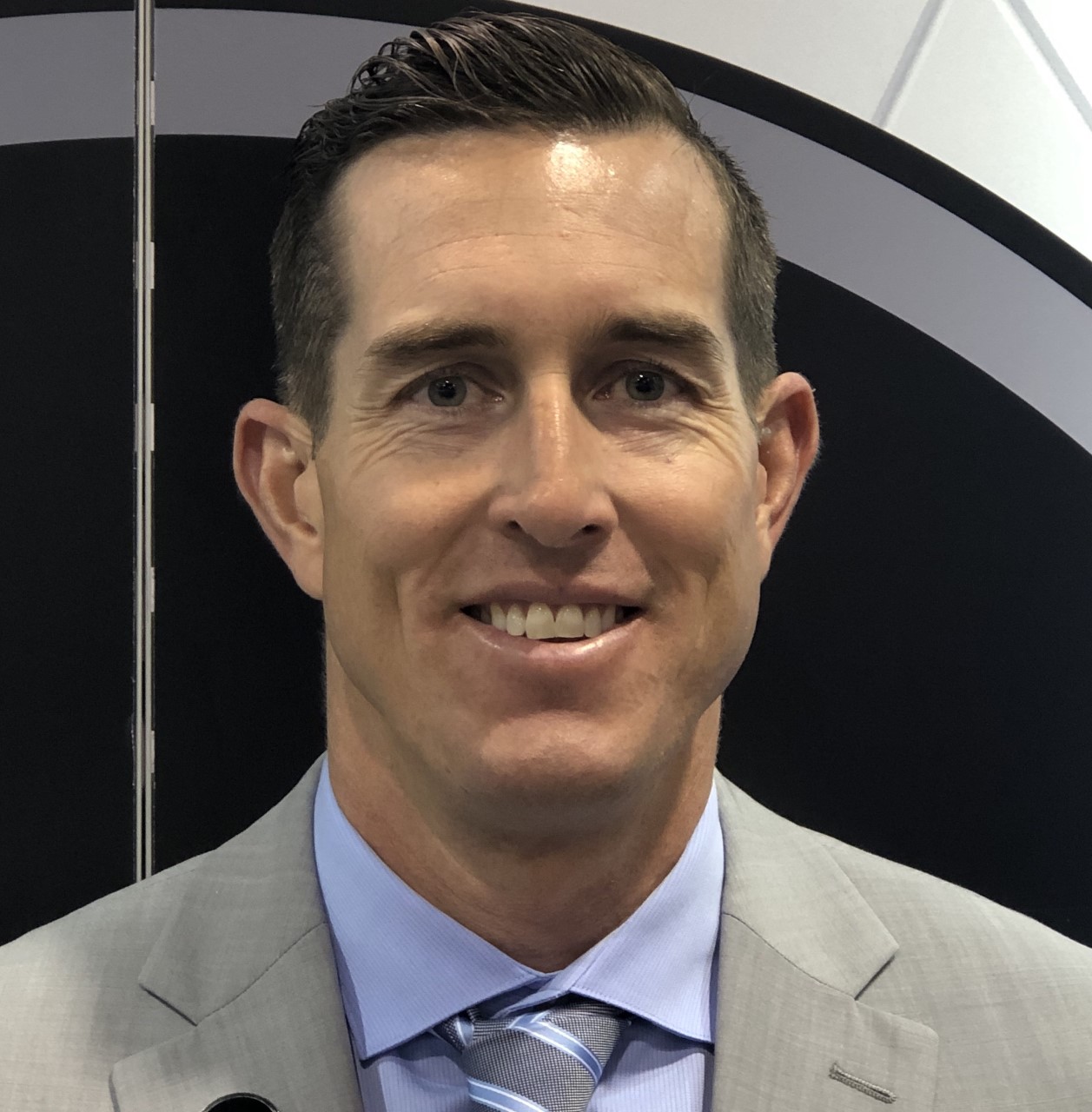
With 21 years of sales management, marketing, P&L responsibility, business development, national account, and channel management responsibilities under his belt, Ian has established himself as a high achiever across multiple business functions. Ian was part of a small team who started a new business unit for Stanley Black & Decker in Asia from Y10’ to Y14’. He lived in Shanghai, China for two years, then continued to commercialize and scale the business throughout the Asia Pacific and Middle East regions for another two years (4 years of International experience). Ian played college football at the University of Colorado from 96’ to 00’. His core skills sets include; drive, strong work ethic, team player, a builder mentality with high energy, motivator with the passion, purpose, and a track record to prove it.